Step 01
When to go
Month-by-month weather, the peak-season squeeze from November to March, and why a July trip needs a different plan to a February one.
Honest costs, realistic itineraries and the cultural context most guides skip — so you spend your days well and arrive knowing what to expect.
Dubai rewards a little planning more than most cities. These are the decisions that actually change how your trip feels — not the ones that fill a checklist.
Step 01
Month-by-month weather, the peak-season squeeze from November to March, and why a July trip needs a different plan to a February one.
Step 02
Who gets visa on arrival, who needs to arrange one in advance, passport validity rules and the tourist-insurance question answered.
Step 03
What to wear in malls, souks and mosques; the alcohol rules people get wrong; photography, Ramadan and public behaviour — explained without the scaremongering.
Step 04
Ready-made 1, 3 and 5-day plans built around real travel times, plus a version for families and one for a tight budget.
Figures are indicative and change often. Always confirm current rules with official UAE sources before you travel.
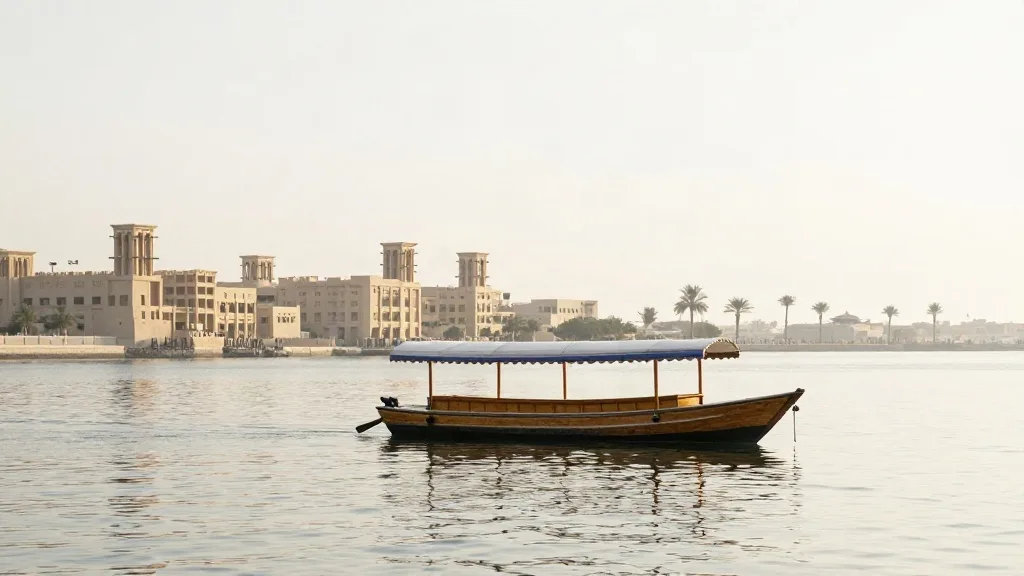
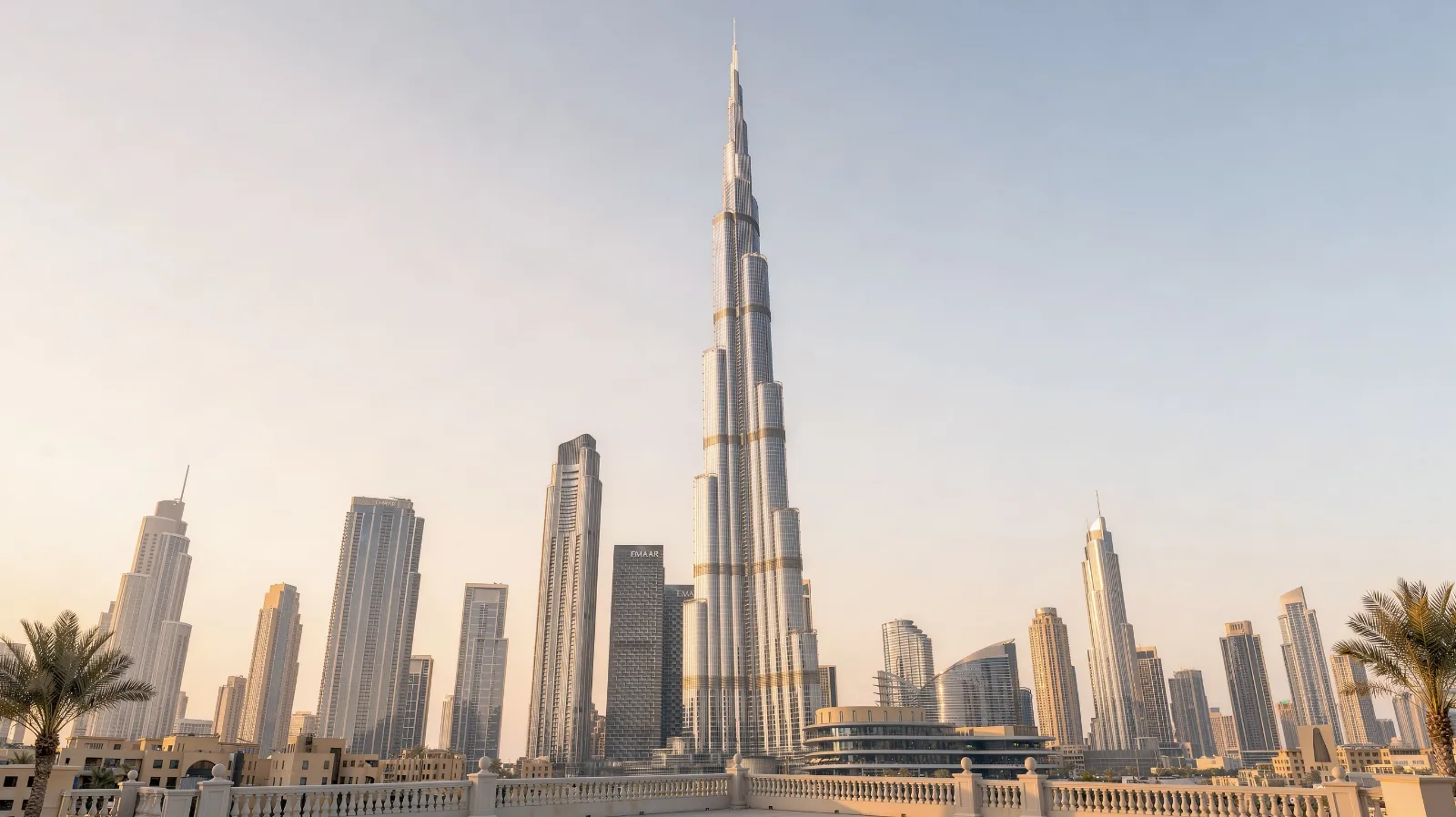
There is the Dubai of superlatives — the tallest tower, the biggest mall, the indoor ski slope — and there is the older city along the Creek, where wind-tower houses, trading dhows and gold and spice souks still set the rhythm of the working day.
Most first-time visitors only see the first. The ones who come back talk about the second. A single morning in Al Fahidi and a 1-dirham abra crossing will tell you more about the emirate than any observation deck.
Not a list of everything. A shortlist of the things that consistently justify the time and money — with honest notes on what to skip.
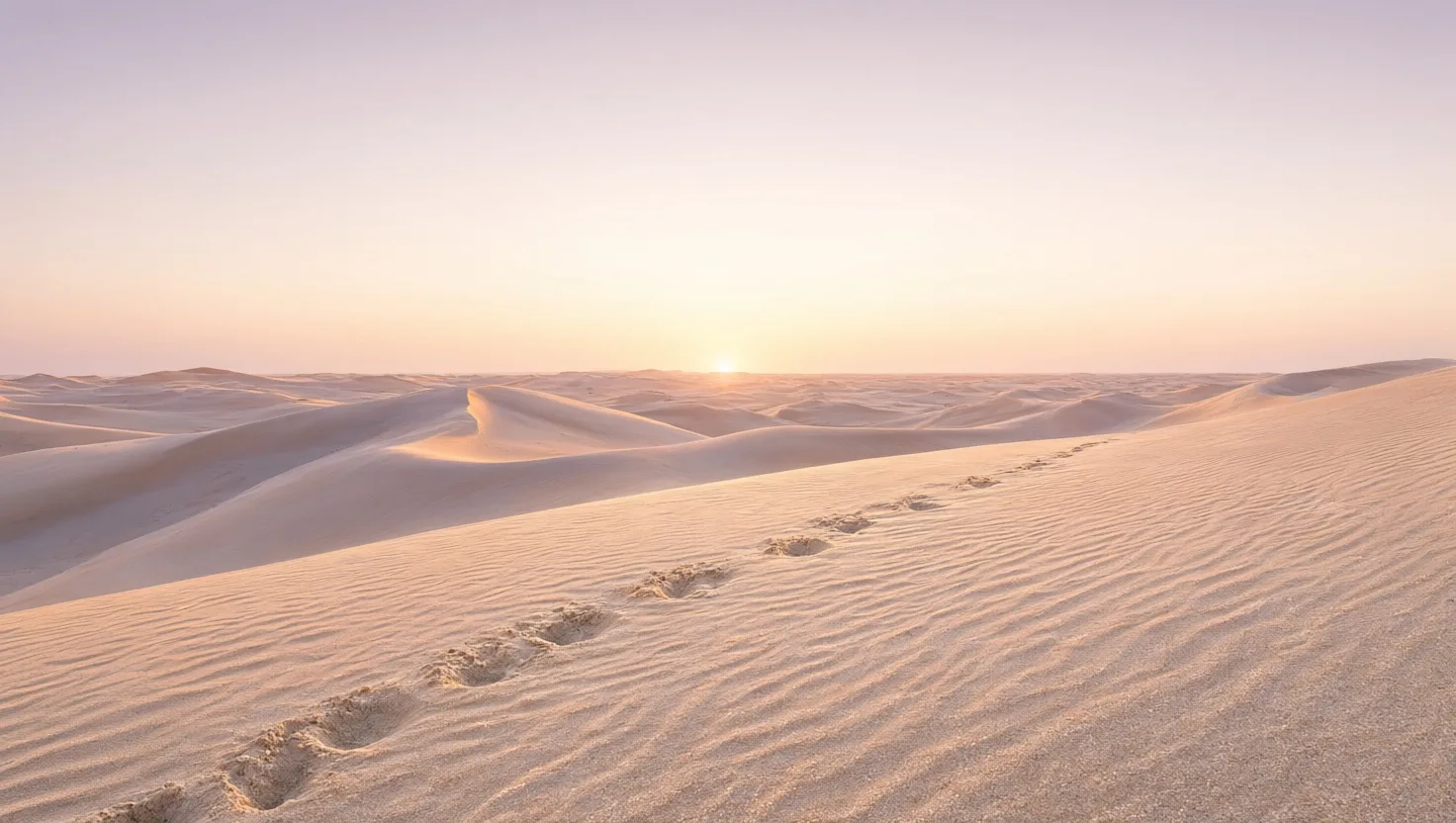
Desert
Sunrise dune drives and quiet conservation reserves beat the evening "dune bashing" convoys on almost every measure — light, wildlife, crowds and photographs.
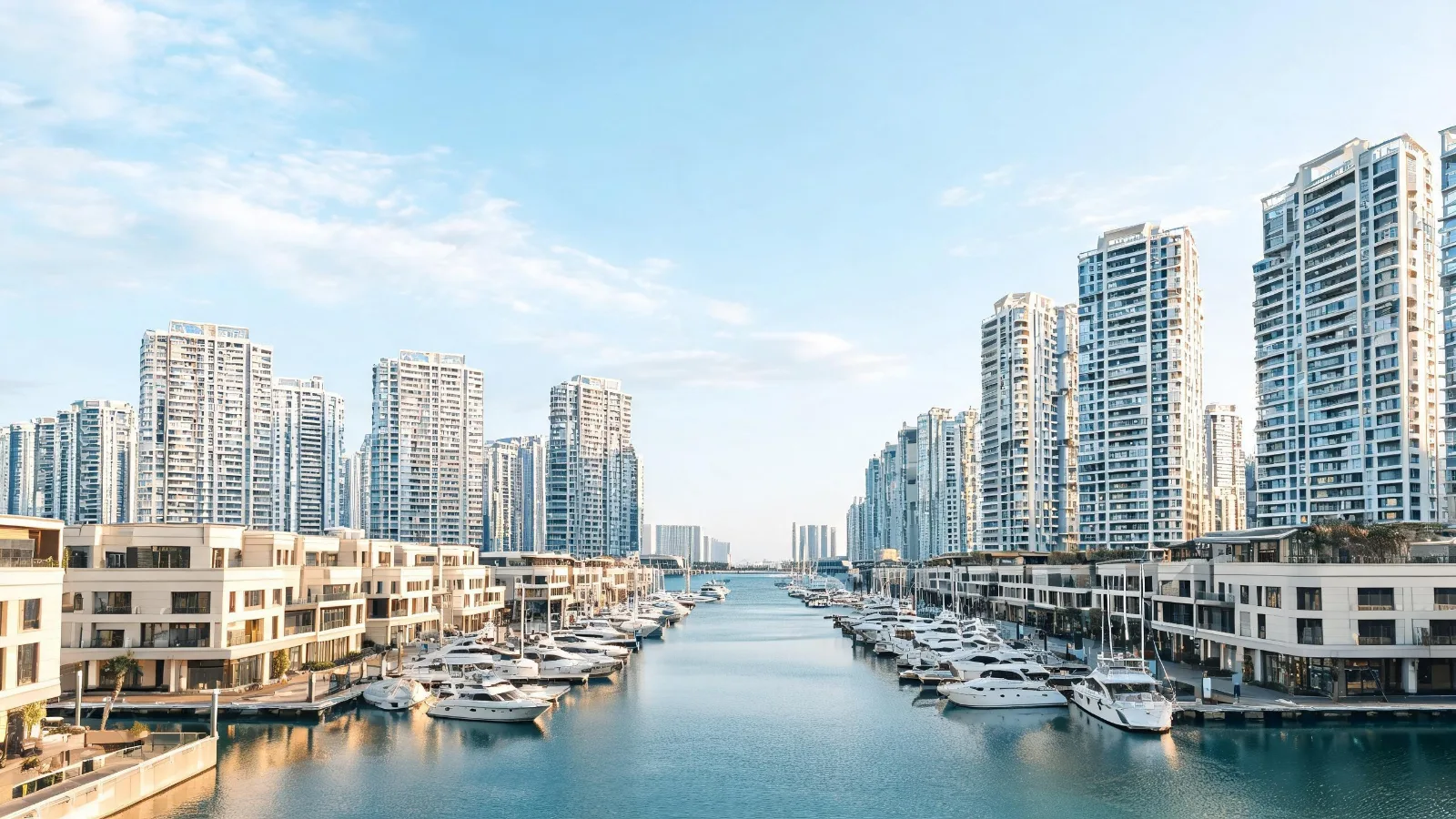
Waterfront
The most walkable stretch of modern Dubai: a 3 km promenade, public beach, and a dense cluster of casual restaurants that stays alive after dark.
Design & culture
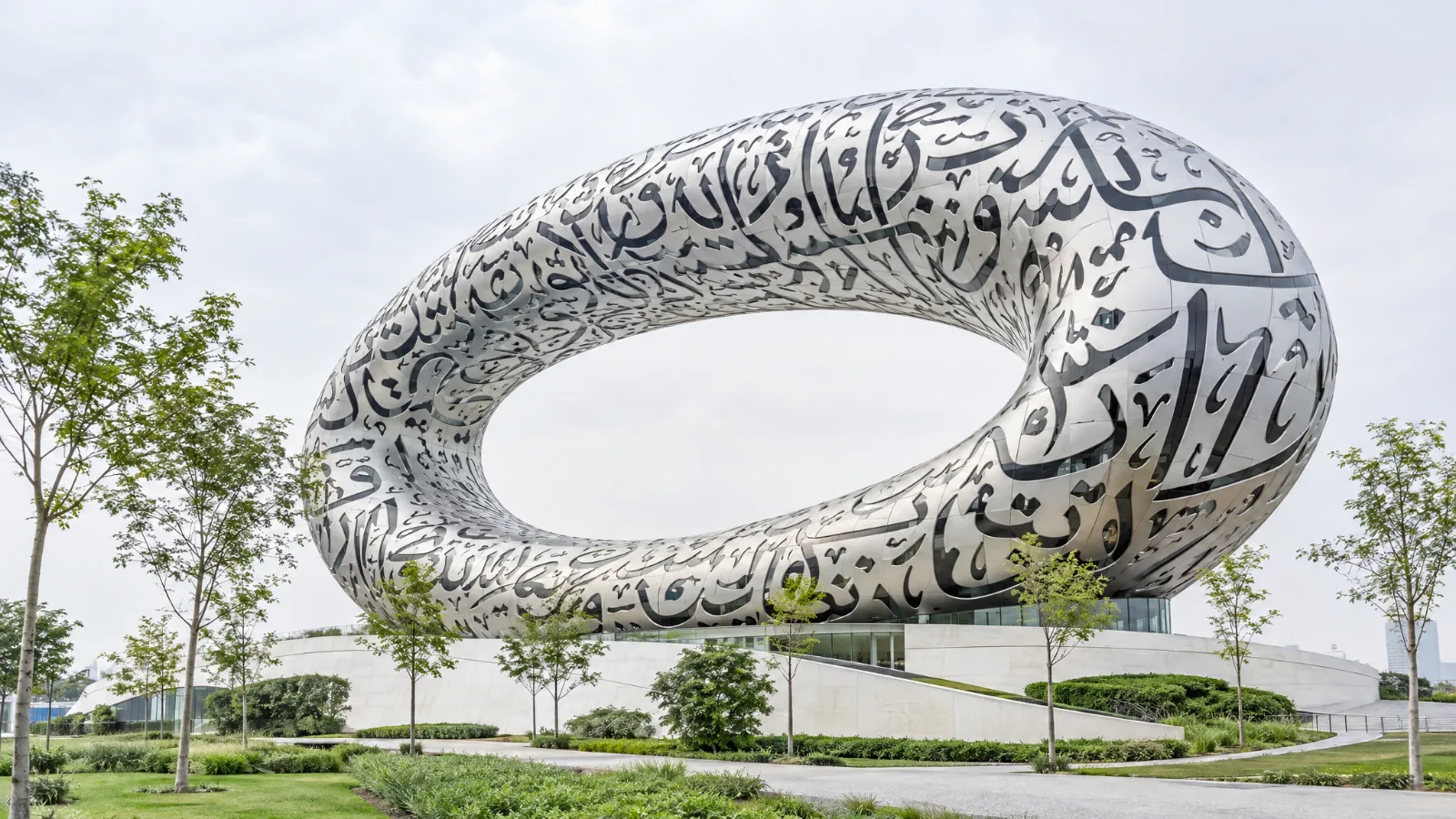
Dubai's most ambitious building is also a genuinely good museum. Pair it with Alserkal Avenue's galleries for a day that feels nothing like a mall.

Dubai is easy to travel in, but it is not frictionless. Distances are longer than the map suggests. Hotel taxes and "city fees" add a real percentage to your bill. Almost everything worth doing needs a timed ticket bought in advance.
And the cultural rules are real. They are not oppressive — millions of visitors dress and behave sensibly and have an excellent time — but they are enforced, and they are different from what you may be used to at home.
It can be, but it does not have to be. Dubai has a genuinely wide price range: a metro day pass, a shawarma and a public beach cost very little, while a Palm Jumeirah resort and a fine-dining dinner can cost more than the same in London. Mid-range travellers typically find Dubai comparable to a Western European capital, with accommodation the single biggest variable.
The costs that surprise people are the small ones: attraction tickets, taxis across long distances, and the service and municipality fees added to hotel bills.
November to March is the comfortable window, with daytime temperatures in the low-to-mid 20s and evenings that need a light jacket. December and January are the coolest and busiest. May to September is genuinely hot — often above 40°C — but it is also when hotel rates fall sharply and indoor attractions are quiet.
If you are travelling in summer, plan outdoor activity for early morning and after sunset, and treat the malls, museums and aquariums as your daytime base.
It depends entirely on your nationality. Many passport holders — including UK, EU, US, Canada, Australia and a long list of others — receive a visa on arrival for a limited stay. Other nationalities must arrange a tourist visa in advance, usually through an airline, hotel or licensed agent.
Rules, permitted lengths and fees change regularly. Confirm your specific case with the UAE Government portal, GDRFA or your airline before booking. Do not rely on a blog post — including this one — for immigration advice.
Away from the beach and pool, keep shoulders and knees covered. This is expected in malls, souks, government buildings and mosques, and it is simply more comfortable. Swimwear belongs at the beach or hotel pool, not on the street or in a mall.
For mosque visits, women should cover their hair, arms and legs; many sites lend an abaya. Lightweight, loose clothing in cotton or linen works best for the climate.
Yes — street crime is very low and the city is generally safe to walk at night in built-up areas. The more common risks are practical: extreme heat and dehydration, road traffic, and strong sun. Use licensed taxis or ride-hailing apps, stay hydrated, and respect the rules on alcohol, public behaviour and photography.
Three full days is the realistic minimum for a first visit: one day Downtown, one day for the desert or beach, one for Old Dubai and the Creek. Five days lets you slow down and add Abu Dhabi or a proper beach day. A 24-hour stopover can work well if you keep it to Downtown and the Creek.
Three tested itineraries — a 24-hour stopover, a classic three-day first visit, and a relaxed five-day version with the desert and Old Dubai.