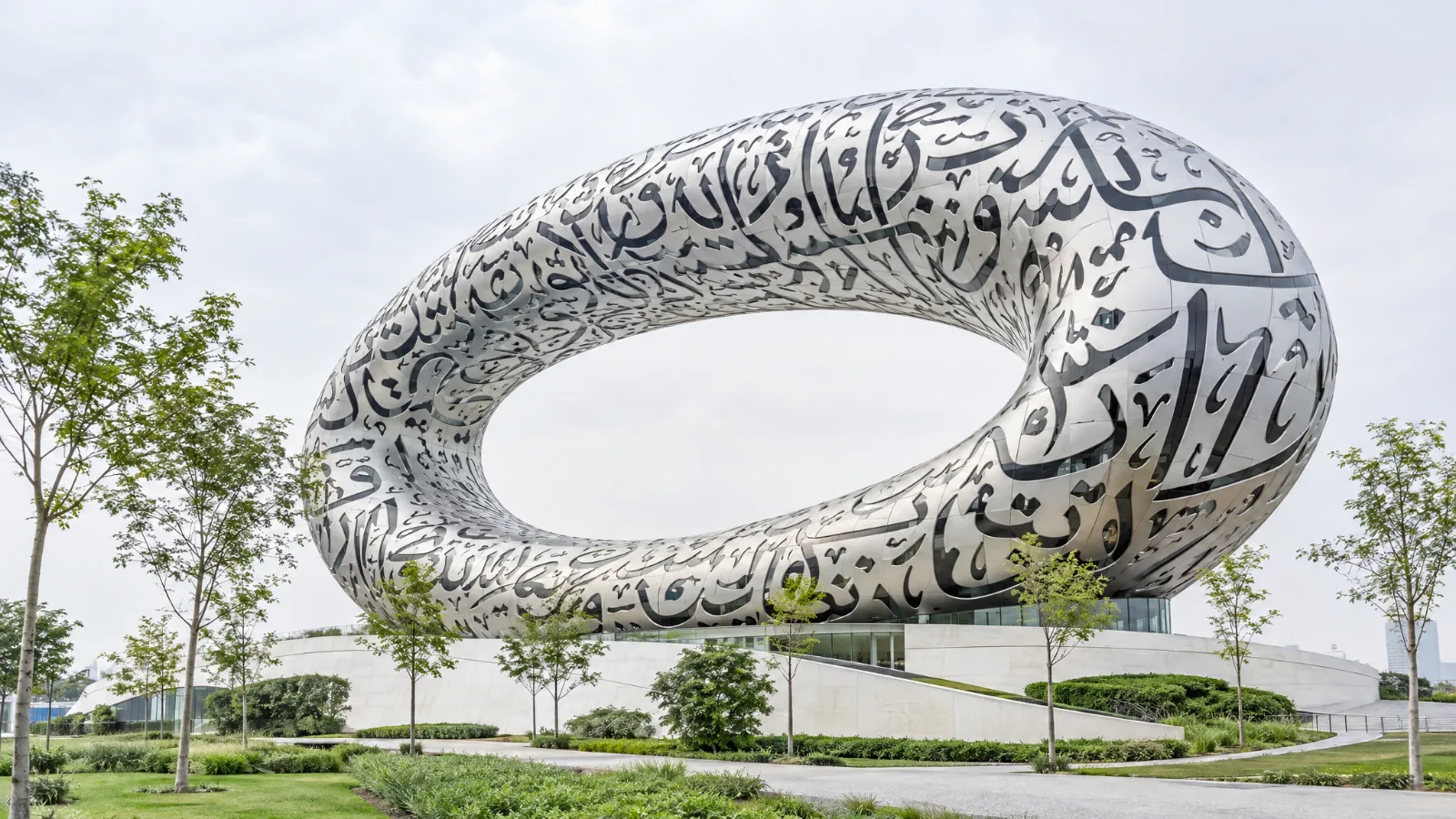
The torus-shaped Museum of the Future in Dubai, clad in silver calligraphic panels, on a pale plinth
Attractions Desert Culture

Things to do in Dubai, sorted the way you actually plan

Dubai's attraction list is enormous and mostly undifferentiated. This page groups the experiences by the kind of day they make, and says plainly which ones justify the ticket price.

Last updated November 2026 · Prices change frequently — always check the official operator before booking

Most visitors arrive with a list of twenty things and three days. That list is usually built from the same handful of search results, which is why everyone ends up at the same observation deck at the same hour.

A better approach is to pick one anchor experience per day, then let the surrounding neighbourhood fill in the rest. Dubai's geography punishes ambitious itineraries: the distance between, say, the Palm and the Creek is a 35-minute drive in good traffic and considerably more in bad.

What follows is organised by experience type, with a realistic time cost for each and an honest assessment of value.

01 — Iconic landmarks

The buildings Dubai built its reputation on

These are the postcard images, and most are genuinely impressive in person. The question is not whether to see them but how to see them without spending your whole day queuing.

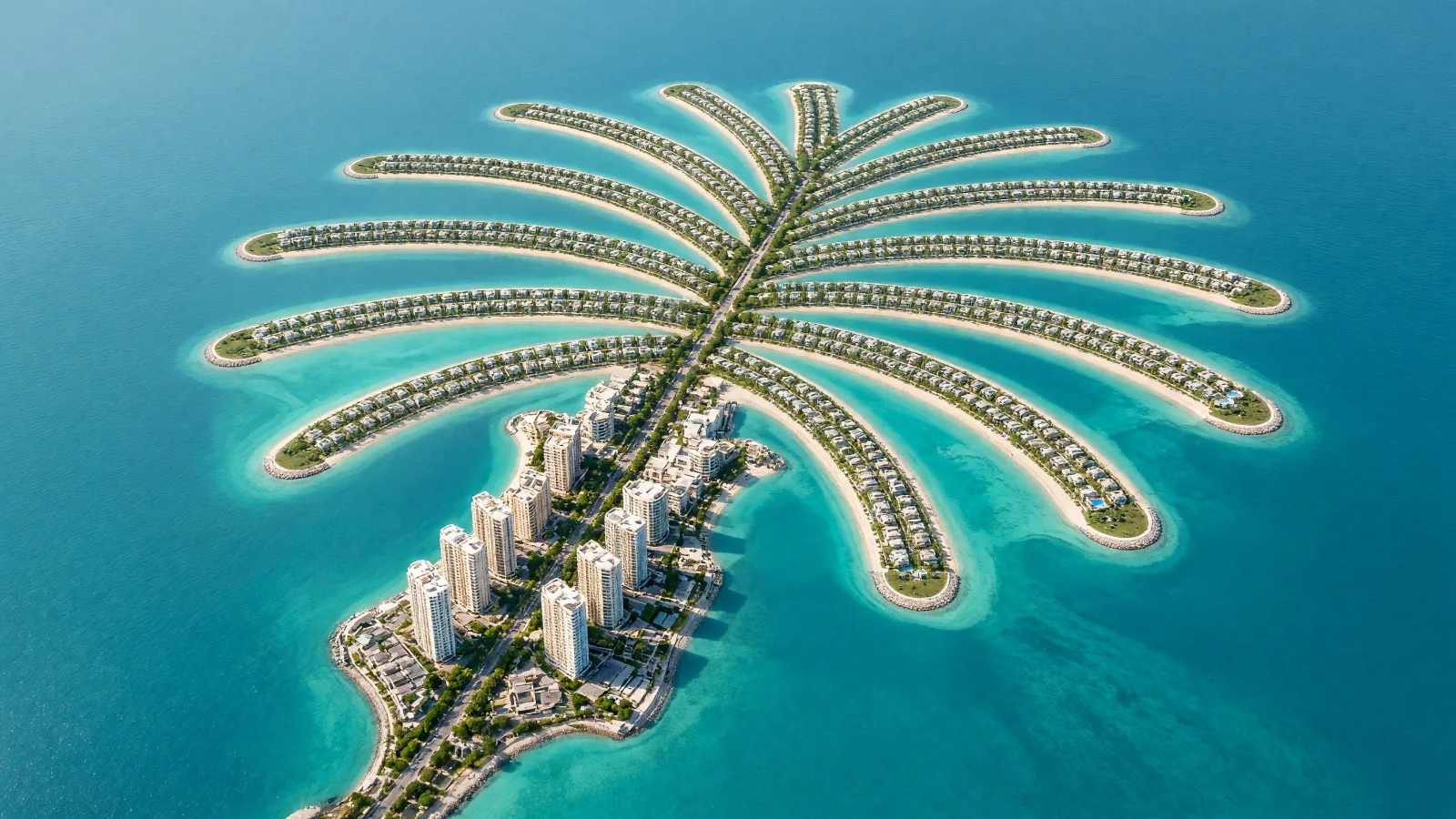
Aerial view of the Palm Jumeirah archipelago in Dubai with villa-lined fronds and pale towers
The Palm Jumeirah from the air. The best views are from a helicopter flight or the observation deck at the top of The View at The Palm — not from the island itself, where you are too close to see the shape.

Burj Khalifa

The tallest building in the world, and the one attraction almost every visitor books. Two decks are open to the public: At the Top on level 124–125, and At the Top SKY on level 148. The higher deck costs considerably more and adds roughly 20 minutes of your day, not a fundamentally different view.

Book a timed slot online in advance. Sunset slots sell out first and are the most crowded; a late-morning or early-afternoon slot buys you clearer glass, shorter queues and better photographs. The fountain show at the base runs in the evening and is free — watch it from the Dubai Mall waterfront rather than paying for a viewing platform.

Full guide to the Burj Khalifa decks, tickets and the best slot

Dubai Frame

A 150-metre picture frame with a glass-floored sky bridge connecting the old city view to the new one. It is a genuinely clever piece of design and takes about 60–90 minutes. Go at opening time; the sky bridge gets congested and the glass floor is a bottleneck.

The Palm & Atlantis

Worth seeing for the scale, but manage expectations: at ground level the Palm is a suburban island of villas and resorts. The experience is the aerial view, the waterpark, or dinner at one of the Atlantis restaurants.
Value note

If you are choosing between observation decks, the Burj Khalifa's level 124 ticket is the one most people remember. Combination tickets (Burj Khalifa plus Dubai Aquarium, for example) can save money, but only if you genuinely wanted both — bundling is how attraction fatigue starts.

02 — Desert experiences

Desert safari, done well

The single most over-sold and most under-explained experience in Dubai. There is a version worth your money and a version that is a queue in sand.

The evening convoy, honestly

The standard "desert safari" is a shared 4x4 pickup, 45 minutes of dune bashing, a camel ride, a henna stall and a buffet dinner with a belly-dance show at a purpose-built camp. It is cheap, it is popular, and for many families it is exactly right.

It is also, on a busy night, a line of dozens of vehicles following the same track, with the sunset photographed by several hundred people at once. If that image disappoints you, book differently.

What to book instead

  • Sunrise desert drive. Cooler, empty dunes, better light, and you are back at your hotel by mid-morning. Usually the same operators, a fraction of the crowd.
  • Conservation reserves. Protected areas outside the city run guided nature drives with real ecology — oryx, gazelle, desert flora — rather than stunt driving.
  • Overnight camps. Expensive, but the only way to see the desert after the convoys leave. The silence is the point.

Practical

Wear closed shoes and long trousers even in summer. Carry more water than feels necessary. Dune driving is genuinely unsuitable for anyone pregnant, with back or neck problems, or under about five years old — reputable operators will say so.

The full desert safari guide: formats, real costs and the questions to ask

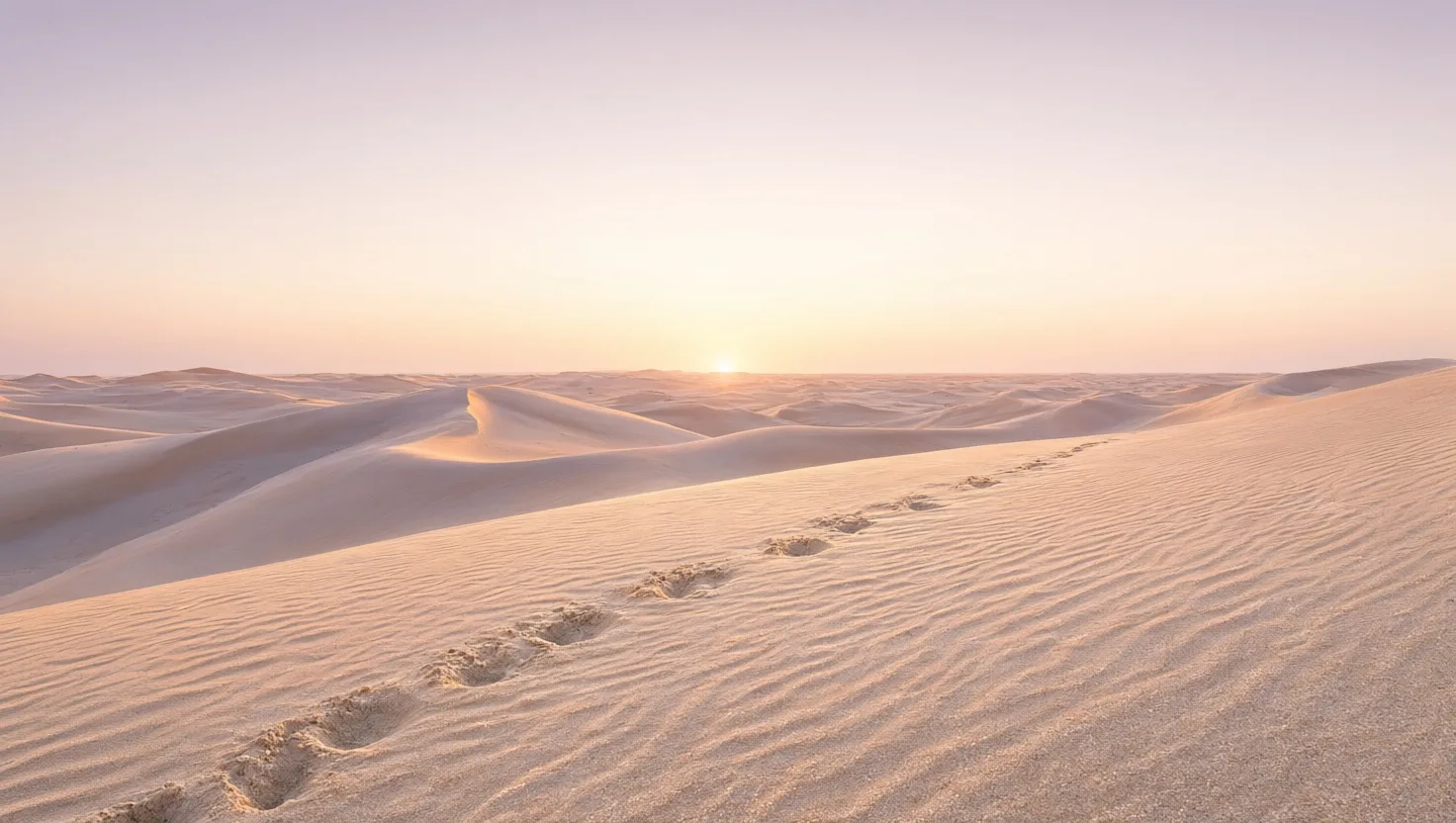
Smooth cream desert dunes with delicate wind ripples and long shadows at sunrise near Dubai
03 — Beaches & waterfront

Public beaches that cost nothing

Dubai's free public beaches are better than most visitors expect. You do not need a beach club pass to swim well.

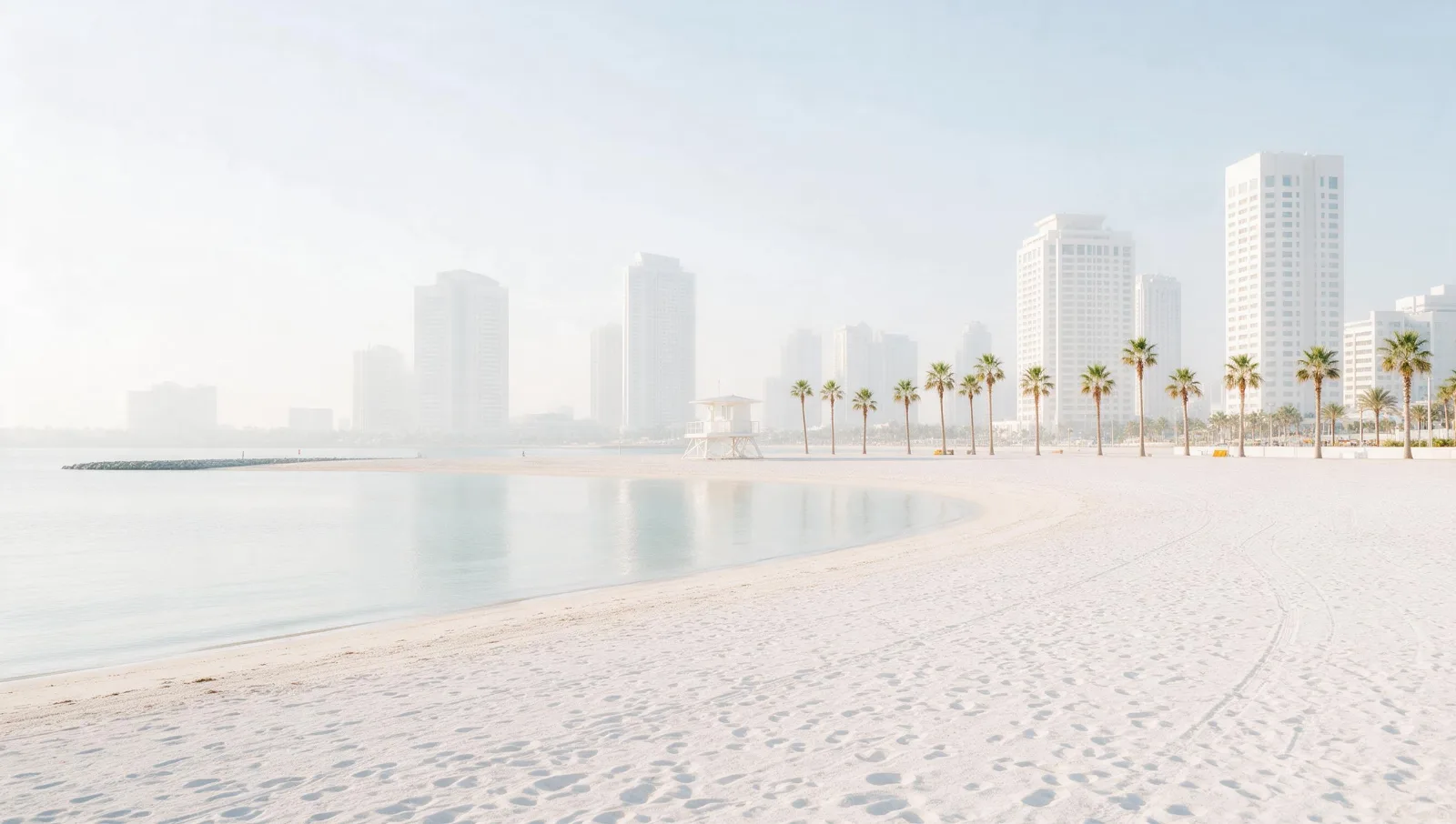
Wide white-sand city beach in early morning with calm turquoise water and a white lifeguard tower

Kite Beach & Umm Suqeim

The most relaxed stretch of Jumeirah coastline: kitesurfers, a running track, casual cafés and a clear view of the Burj Al Arab from the sand. Lifeguards, showers and public toilets are provided. Best early morning or after 4pm.

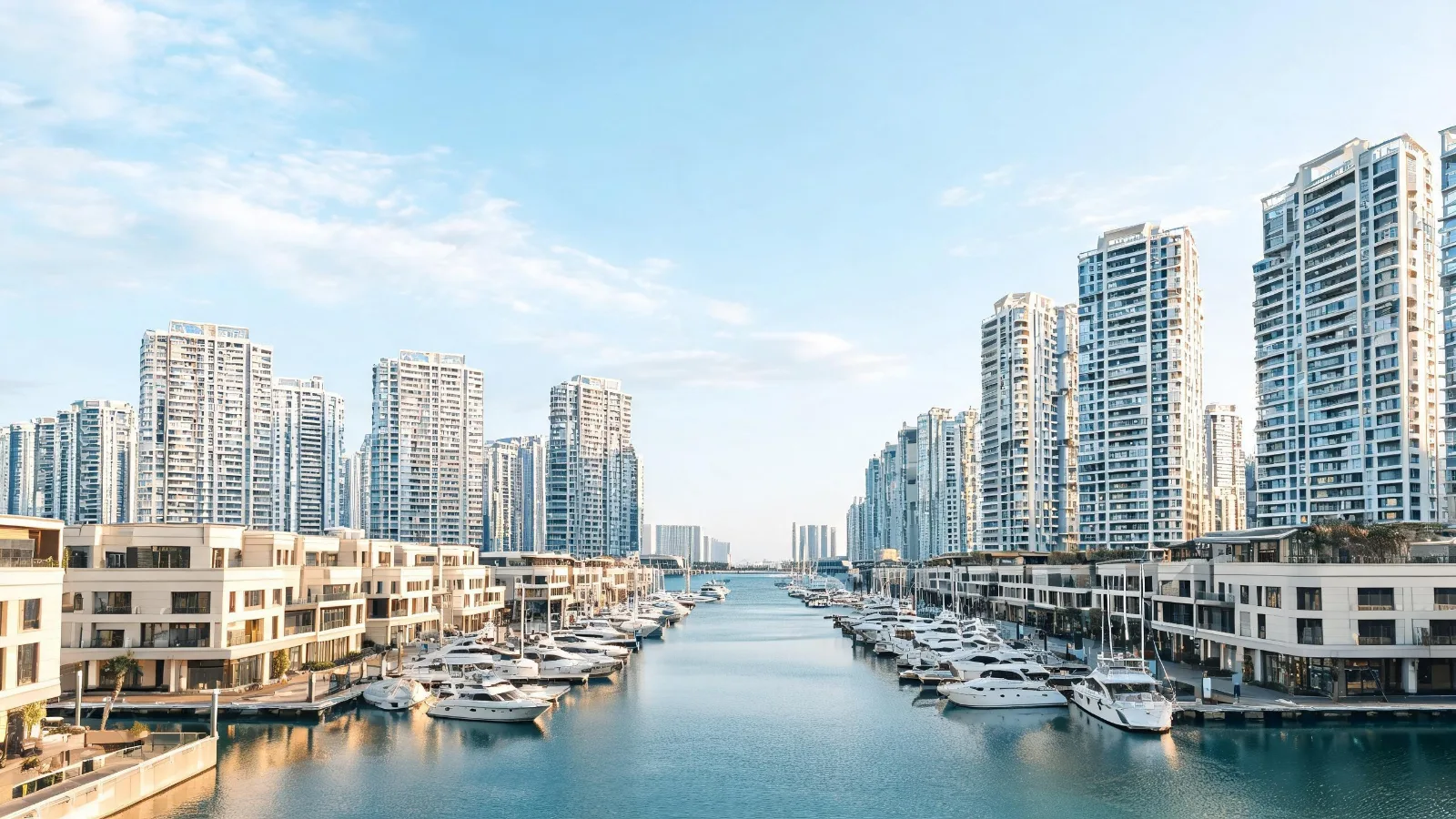
White towers along the Dubai Marina waterway with moored yachts and a promenade

JBR & the Marina promenade

A 3 km walkable waterfront where the city feels most like a city rather than a resort. The public beach at JBR is the most convenient for hotel-based travellers, and the promenade restaurants stay busy well after dark.

Choosing a beach — indicative, verify locally
BeachFeelFacilitiesBest for
Kite BeachCasual, sportyShowers, toilets, cafésWatersports, sunrise walks
JBR BeachBusy, urbanFull, plus beach clubsConvenience, evening swims
Umm SuqeimWide, openBasicBurj Al Arab views
La MerPolished, retailFullFamilies, dining

Swimwear is appropriate on the beach and at hotel pools only. Cover up before walking back through the mall or street.

04 — Culture & heritage

The old city, which most visitors miss

A morning on the Creek costs almost nothing and is the most memorable half-day in Dubai.

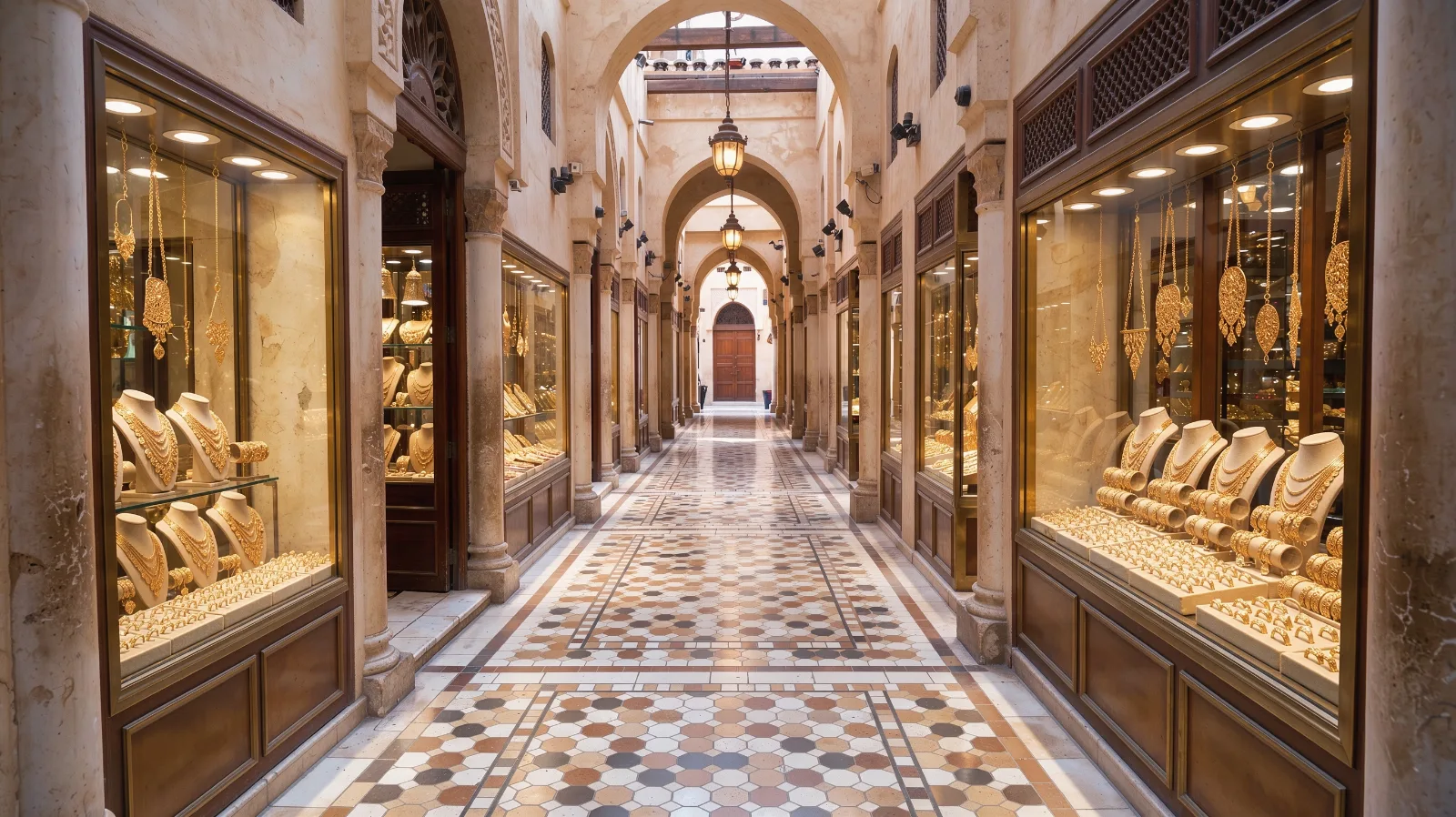
Covered souk arcade in Dubai with cream stone arches and shop windows full of gold jewellery

Al Fahidi Historical Neighbourhood

The last surviving cluster of traditional wind-tower houses, now restored as a cultural district of courtyards, galleries and small museums. It is quiet in the morning, shaded, and completely unlike the rest of the city. Allow 90 minutes and do not rush it.

Gold and Spice Souks, Deira

Working markets, not theme parks. The Gold Souk is a genuine jewellery trading district and the Spice Souk sells saffron, frankincense and dried limes by weight. Expect to be invited into shops; a polite "no thank you" is sufficient and normal.

The abra crossing

A wooden water taxi across the Creek costs a token amount and takes about five minutes. It is the cheapest and best thing to do in Dubai. Board at Bur Dubai and cross to Deira, then walk the souks.

Photography & etiquette

Do not photograph local people, particularly women, without clear permission — and never photograph government buildings, military sites or airports. In the souks, ask before photographing traders or their stalls. This is both a legal and a courtesy matter, and taking it seriously is what makes the morning pleasant for everyone.

05 — Shopping & indoor days

When it is 42°C outside, go inside

In summer the malls are not a shopping trip, they are the city's air-conditioned public space.

Bright white marble colonnade inside a modern Dubai shopping mall with soft daylight

Dubai Mall

One of the largest malls in the world, and genuinely a full day if you let it be: an aquarium, an ice rink, a fountain show and several hundred shops. It is also exhausting. Go with one purpose — a specific shop, the aquarium, or the fountain — rather than wandering.

Better indoor alternatives

  • Museum of the Future. The most interesting building in the city and a genuinely well-designed museum. Book ahead.
  • Ski Dubai. An indoor ski slope inside a mall. Absurd, and children love it.
  • Alserkal Avenue. A warehouse district of contemporary galleries. Quiet, free, and a good counterweight to mall fatigue.
  • Outlet malls. Further out and worth it only if you are specifically shopping for brands at a discount.
Planning

Questions about Dubai attractions

How many attractions can I realistically do in one day?

Two, plus a meal. Dubai's distances and security queues make three a push and four a mistake. A good day is one anchor attraction in the morning, lunch nearby, then either a beach, a mall, or the Creek in the late afternoon.

Should I book attraction tickets in advance?

Yes for the Burj Khalifa, Museum of the Future, Dubai Frame and anything with a timed entry. In peak season (November–March) popular sunset slots sell out days ahead. Always buy from the official operator rather than a reseller, and check whether your ticket includes a specific time slot.

Is the desert safari worth it?

Yes, if you choose the right format. A sunrise drive or a conservation-reserve experience is excellent value for the landscape and the light. The cheapest shared evening convoys are a fair-value family outing but will not give you the empty-desert experience most people picture.

What is free in Dubai?

More than people expect: public beaches, the Dubai Fountain show, the abra crossing (nearly free), walking Al Fahidi and the souks, the Marina promenade, and most galleries in Alserkal Avenue. The city's best half-day is almost entirely free.

Are attractions open during Ramadan?

Yes — attractions, malls and hotels operate normally and are often quieter. What changes is daytime eating and drinking in public: many cafés restrict daytime service to takeaway or screened areas. Be discreet and you will have no difficulty.

Now put it in an order that works

Our itinerary guide sequences these experiences around real travel times, heat and opening hours.

Back to the guide