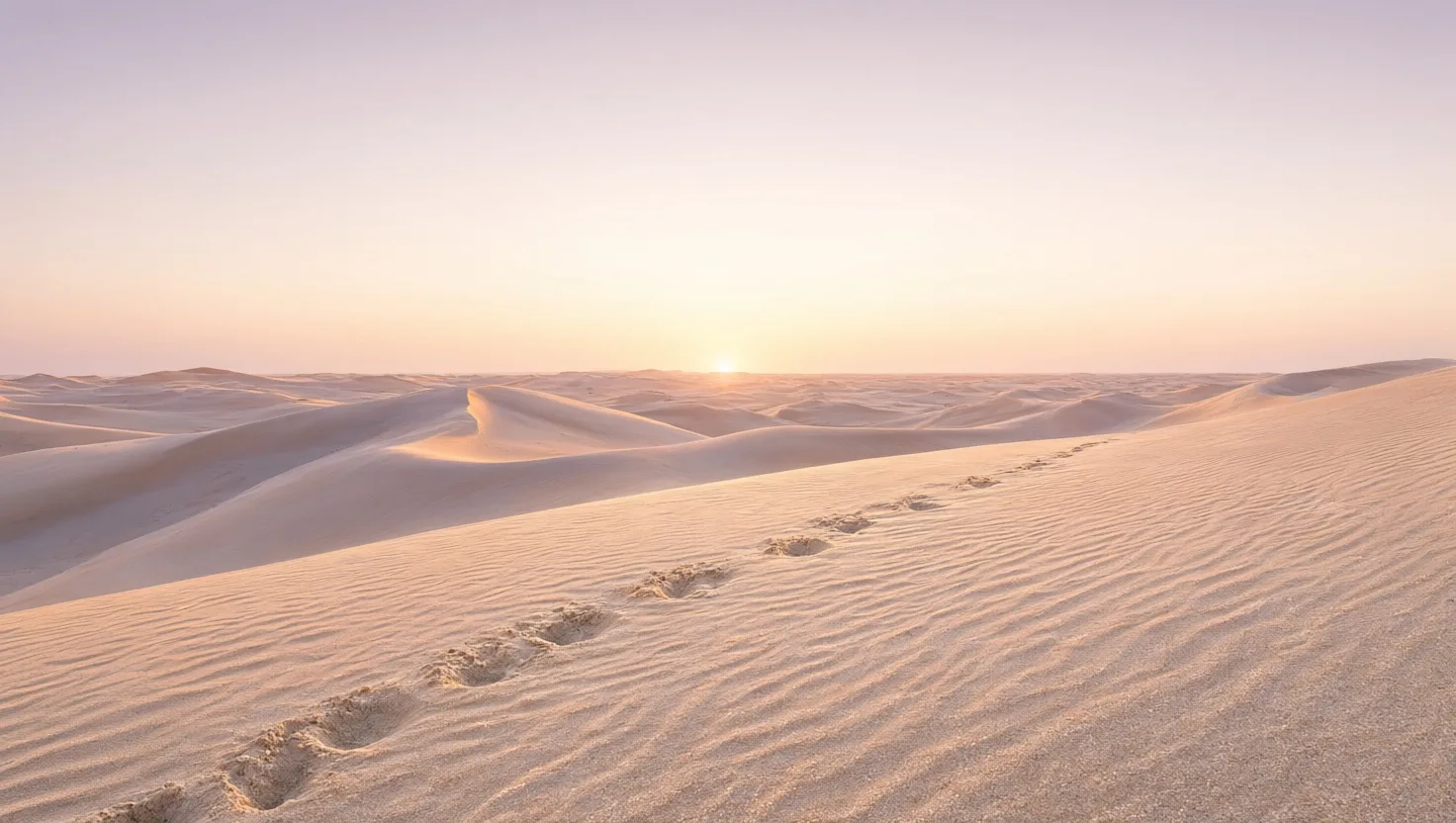
Cream-coloured desert dunes with wind ripples in soft sunrise light near Dubai
WeatherSeasons

Best time to visit Dubai

Dubai has two seasons that matter: a comfortable one that everyone wants, and a hot one that is much cheaper and far quieter. Both are workable. They require different plans.

Last updated November 2026 · Climate figures are indicative averages, not forecasts

The short answer: November to March is the comfortable window, with daytime highs in the low-to-mid 20s and evenings cool enough for a light layer. That is also when everyone else arrives, so hotel rates peak and the big attractions sell out.

The longer answer depends on what you want to do. If your trip is mostly beaches and desert, you need the cooler months. If it is museums, malls, aquariums and food, summer is genuinely viable — and you will have the place closer to yourself.

Month by month

What each month actually feels like

Ranges below are typical daytime highs and overnight lows. Humidity matters as much as temperature: a 38°C day in August feels far worse than a 38°C day in April because the air is saturated.

Dubai climate overview — indicative averages
MonthTypical highTypical lowCharacterVerdict
January24°C14°CCoolest month, occasional rain, breezy eveningsExcellent — pack a layer
February25°C15°CNear-perfect days, some wind and rainExcellent
March29°C18°CWarming, comfortable eveningsExcellent
April33°C21°CHot by midday, pleasant morningsGood
May38°C25°CHeat building, humidity risingManageable with planning
June40°C27°CVery hot and humidIndoor-led trips only
July41°C29°CPeak heat, high humidityIndoor-led trips only
August41°C30°CHottest and most humidIndoor-led trips only
September39°C27°CStill very hot, slowly easingIndoor-led trips only
October35°C23°CNoticeably better, evenings pleasantGood
November30°C19°CComfortable, outdoor season beginsExcellent
December26°C16°CCool, festive, very busyExcellent — book early

Averages vary year to year. Check a current forecast in the week before you travel, and note that summer humidity can make the "feels like" temperature considerably higher.

The three seasons

Comfortable, shoulder and summer

Close-up of pale desert sand with delicate wind-ripple patterns in low warm sunlight
In the comfortable months the desert is genuinely walkable. From May to September it is a different proposition entirely.
Calm air-conditioned lounge interior with pale linen seating and diffused bright light
Dubai was built for summer. Air-conditioned interiors are the reason a July trip is workable rather than miserable.
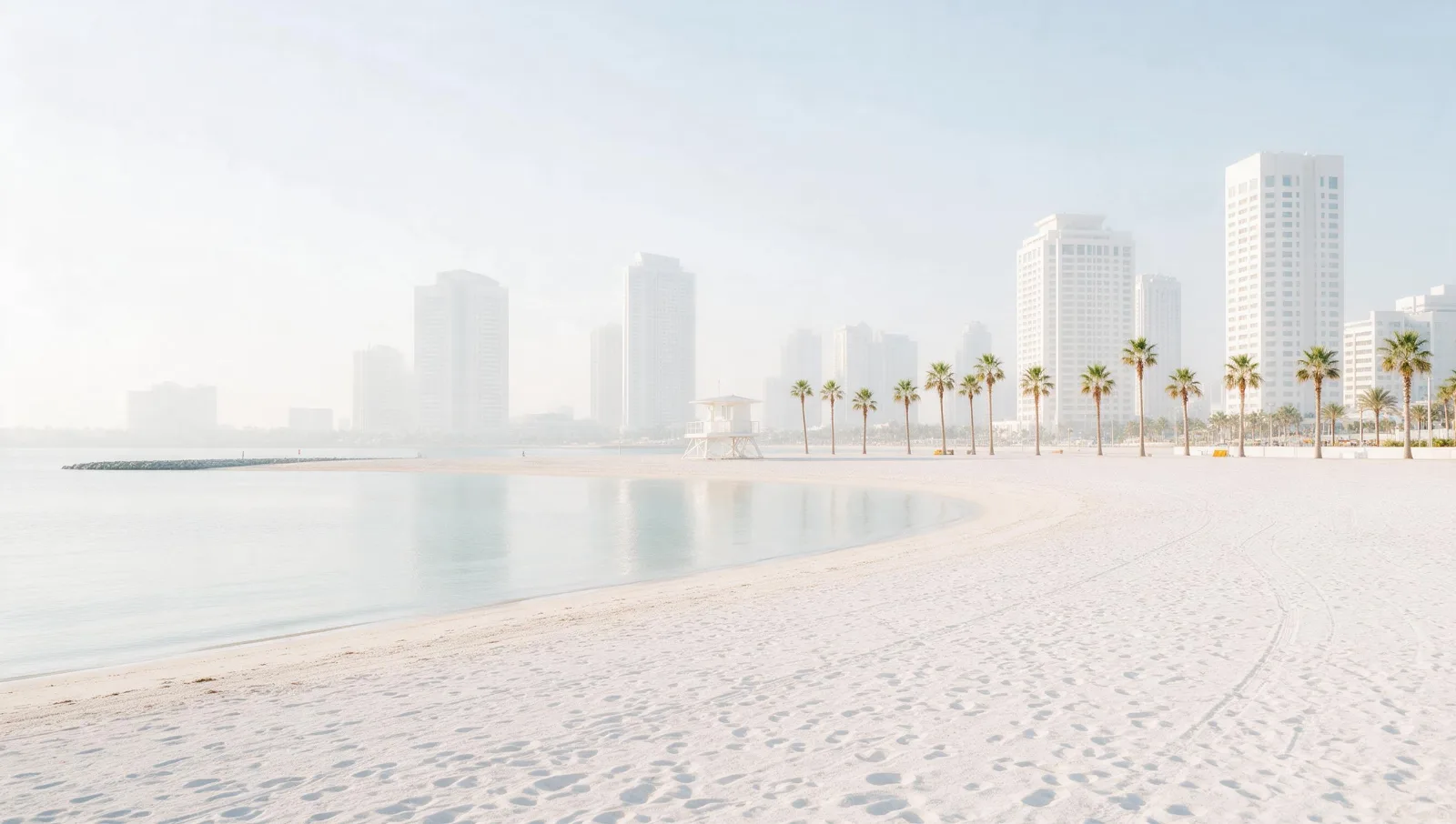
Calm white-sand beach with a lifeguard tower in early morning light in Dubai

November – March: the comfortable window

This is when Dubai is at its best and at its busiest. Desert safaris, beach clubs and outdoor terraces all operate normally; you can eat outside in the evening without a fan. December and January are the peak of peak — hotels are expensive and the Burj Khalifa sunset slots vanish first.

Trade-off: crowds and price. If you want both good weather and reasonable rates, aim for mid-to-late November or March.

April – May, October: the shoulder months

Warm rather than punishing. Mornings and evenings are pleasant, midday is hot. Rates are noticeably lower than the winter peak, and attractions are less congested. October in particular is a sweet spot as the city emerges from summer.

June – September: summer

Genuinely hot, often above 40°C with high humidity. Outdoor activity is only sensible before about 9am and after sunset. In exchange you get the lowest hotel rates of the year, short queues and a city that locals largely abandon for cooler climates.

Summer is not a write-off

Dubai was built for this. Malls, the Museum of the Future, aquariums, Ski Dubai, indoor theme parks, spa hotels and the Metro network are all fully air-conditioned. Plan your days around air-conditioning rather than fighting it, and summer works well — especially for families on a budget.

Timing your trip

Events, Ramadan and seasonal closures

Two things catch visitors out: Ramadan shifts the daily rhythm, and several outdoor attractions shut entirely in summer.

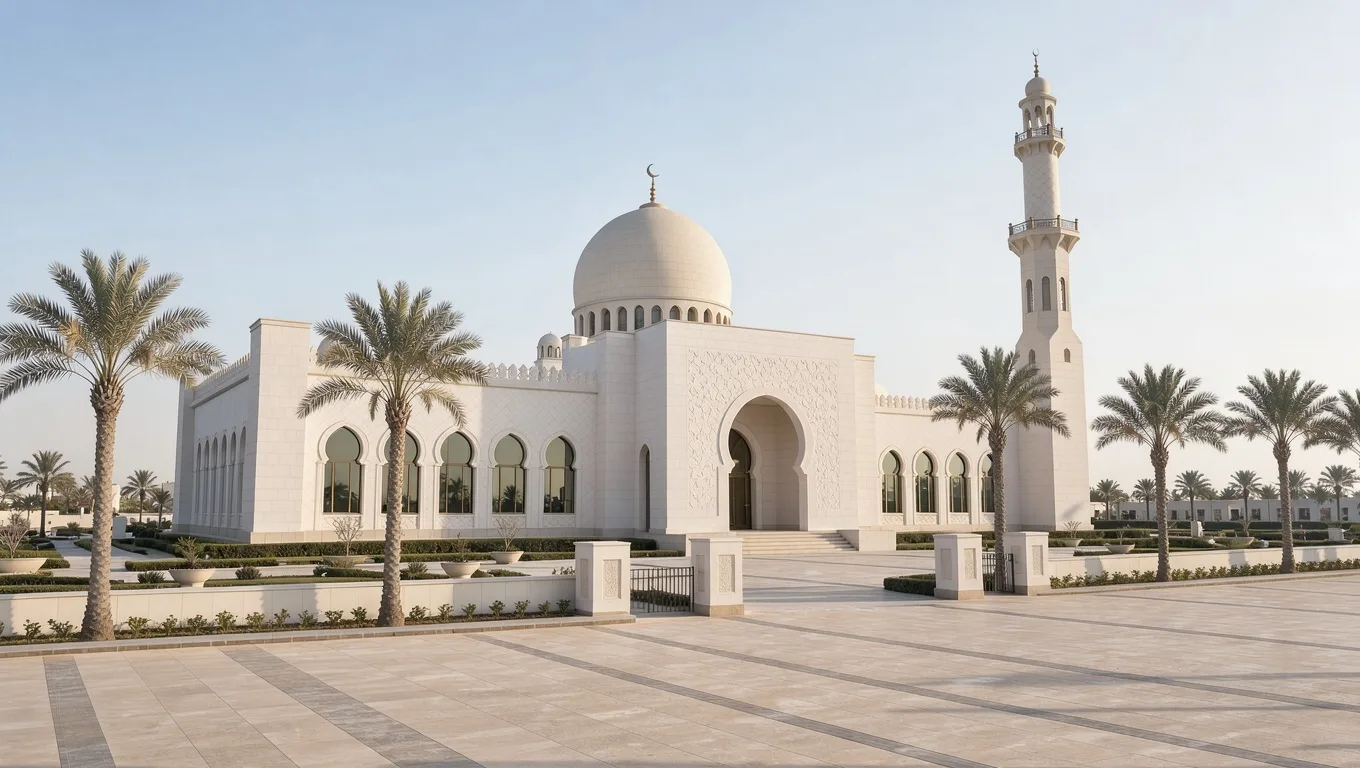
White stone mosque with a slender minaret and dome in bright morning light in Dubai

Ramadan

The Islamic holy month moves forward roughly 11 days each year. Fasting applies from dawn to sunset, and daytime eating, drinking and smoking in public are restricted — many cafés serve takeaway only or screen off dining areas.

Attractions and malls stay open, often later, and evenings are lively. It is a rewarding time to visit with a little awareness. Dress more conservatively than usual and avoid eating on the street during daylight.

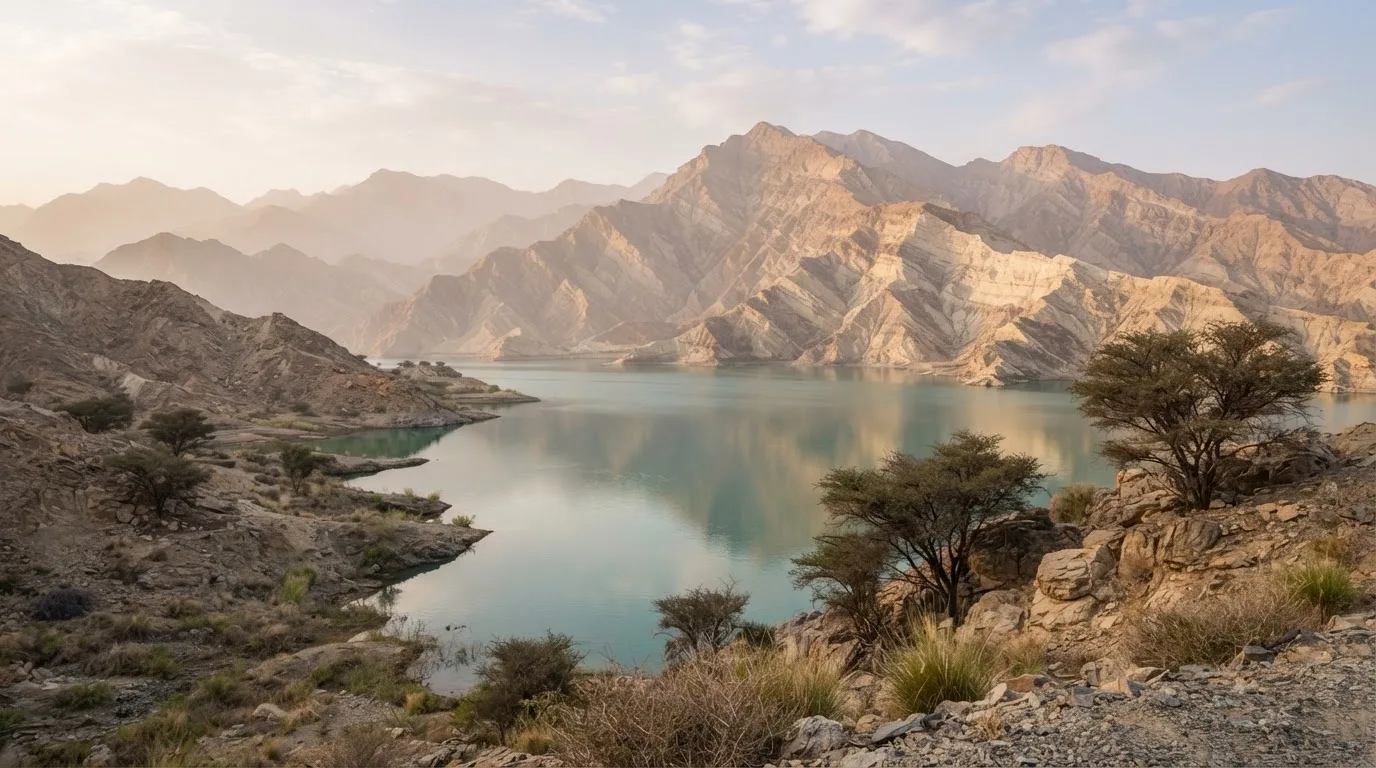
Pale ochre mountain ridges above a calm turquoise reservoir near Hatta in the UAE

Seasonal closures

Some outdoor attractions are summer-only in reverse: they close for the hot months. Outdoor garden attractions, some desert camps and certain seasonal markets shut from roughly May to September and reopen in October or November.

Always check the operator's own site for opening dates before you build a day around something seasonal. This is one of the most common Dubai planning mistakes.

Also worth knowing

  • Shopping festival periods bring heavy discounts but also heavy crowds, especially in January and mid-year.
  • New Year's Eve around Downtown is spectacular and extremely congested — plan transport carefully or watch from further out.
  • Rain is rare but dramatic when it comes, usually in winter. The city drains poorly, so allow extra time and expect cancellations.
Planning

Weather & timing questions

What is the absolute best month to visit Dubai?

February and March are the most reliable: warm, sunny days in the mid-20s, comfortable evenings, and the outdoor season fully open. November and December are equally good but busier and more expensive, especially over the holidays.

Is Dubai too hot in summer?

For outdoor sightseeing, yes — 40°C+ with high humidity is genuinely uncomfortable at midday. For indoor attractions, hotels and malls it is fine, and the savings are substantial. Shift outdoor time to early morning and after sunset.

When is Dubai cheapest?

July and August, followed by late September. Hotel rates drop sharply because demand falls with the heat. Shoulder months like May and October offer a reasonable balance of price and comfort.

Does it rain in Dubai?

Very little — roughly a handful of rain days a year, concentrated between December and March. When it does rain it can be heavy and disruptive, and drainage is limited. It will not usually affect a short trip.

Should I avoid visiting during Ramadan?

No. Attractions, hotels and malls operate normally and are often quieter. Just be discreet about daytime eating and drinking in public, dress a little more conservatively, and enjoy the evening atmosphere, which is one of the best parts of the month.

Picked your dates?

Check the entry rules for your passport before you book anything.

Visa & entry rules