Old Dubai: the half-day most visitors skip
Wind-tower houses, working gold and spice markets, and a wooden boat across the Creek for pocket change. This is the most memorable morning in Dubai, and it costs almost nothing.
Last updated November 2026
Dubai's modern centre is a twenty-minute drive from where the city actually began. The Creek was the reason for Dubai: a natural inlet where traders from across the Gulf, India and East Africa could shelter and do business. Pearls, then gold, then re-export — the economy that built the skyline started here.
Go early. Before 10am the lanes are shaded, the light is soft, and the traders are setting up rather than working a crowd. It is a completely different city from the one you saw yesterday.
Al Fahidi Historical Neighbourhood
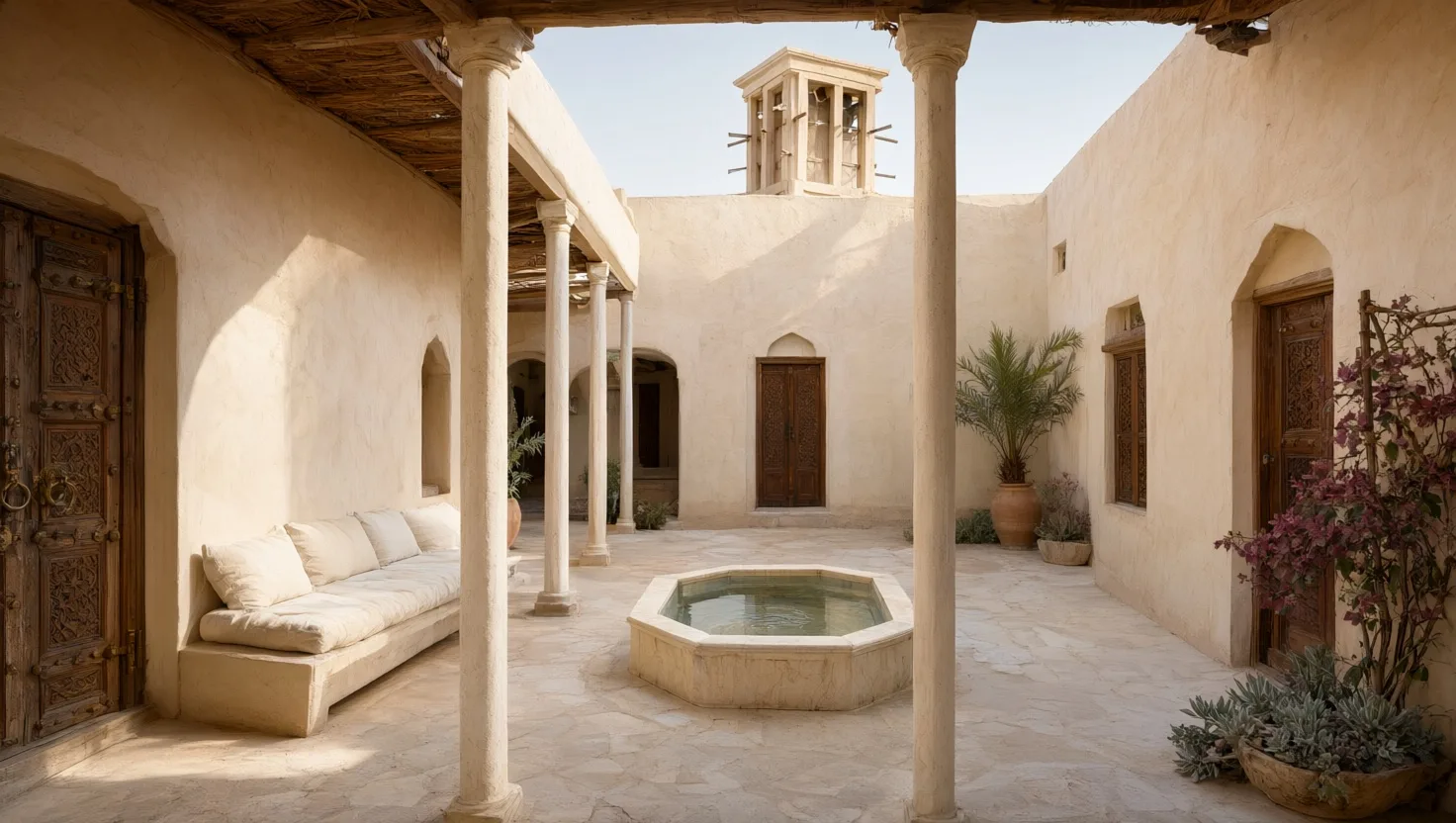
The last surviving cluster of traditional wind-tower houses, restored as a quiet cultural district of courtyards, galleries and small museums.
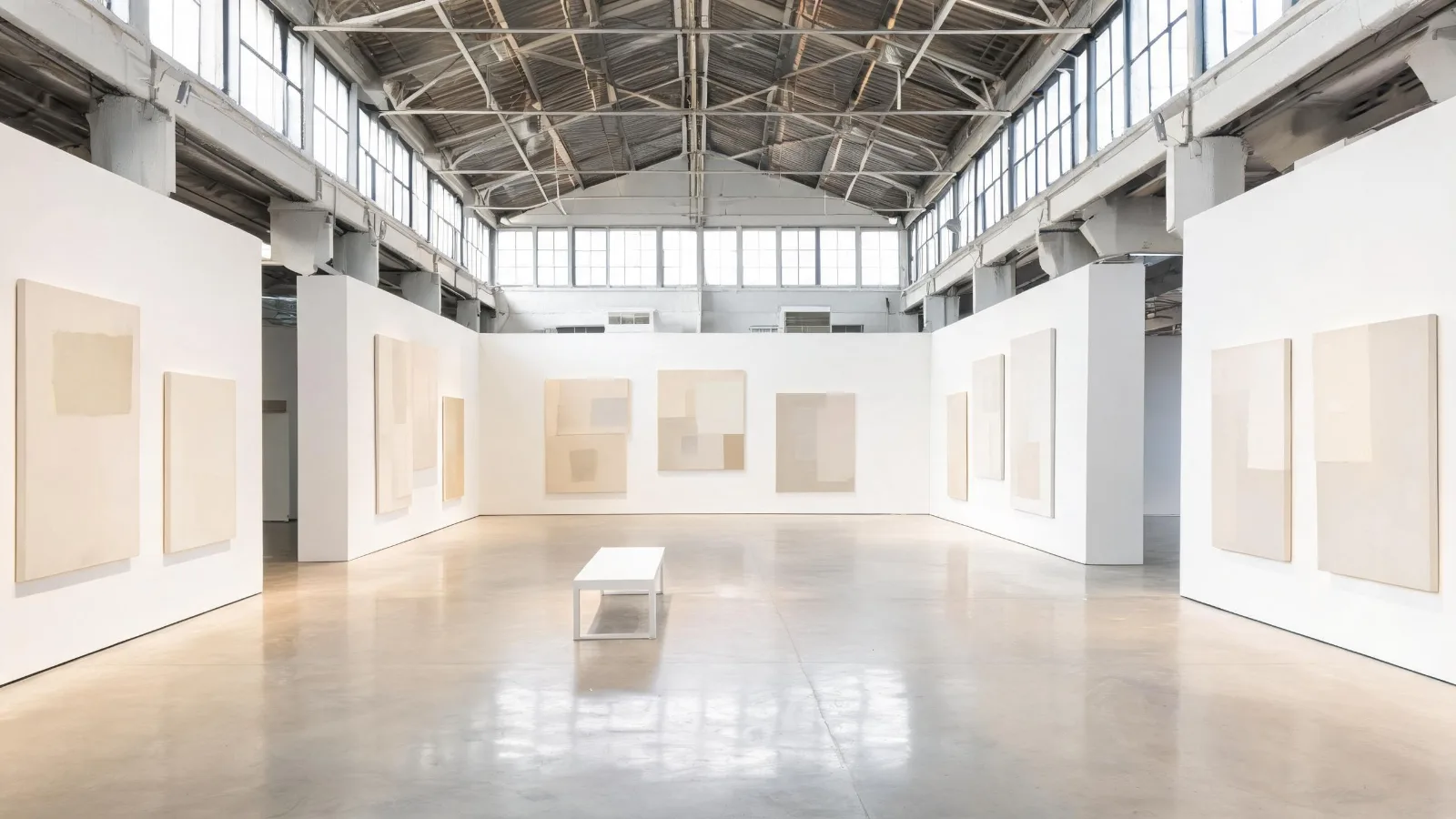
The lanes here are narrow on purpose — the design pulls air through the courtyards and keeps the streets shaded. Look up: the square wind towers are the original air conditioning, catching breezes and funneling them down into the rooms below.
- Allow 90 minutes. Rushing this defeats the point.
- Look for the cultural centres — several run small exhibitions and offer Arabic coffee to visitors.
- Dress modestly. This is a heritage district, not a beachfront.
- Combine with the Coffee Museum or the nearby textiles souk if you want to slow down further.
Photography
Architecture and doorways are fine. People are not, unless you ask. Some residents still live in the surrounding lanes — treat it as a neighbourhood, because it is one.
The abra crossing
Five minutes, a token fare, and the best value in Dubai.
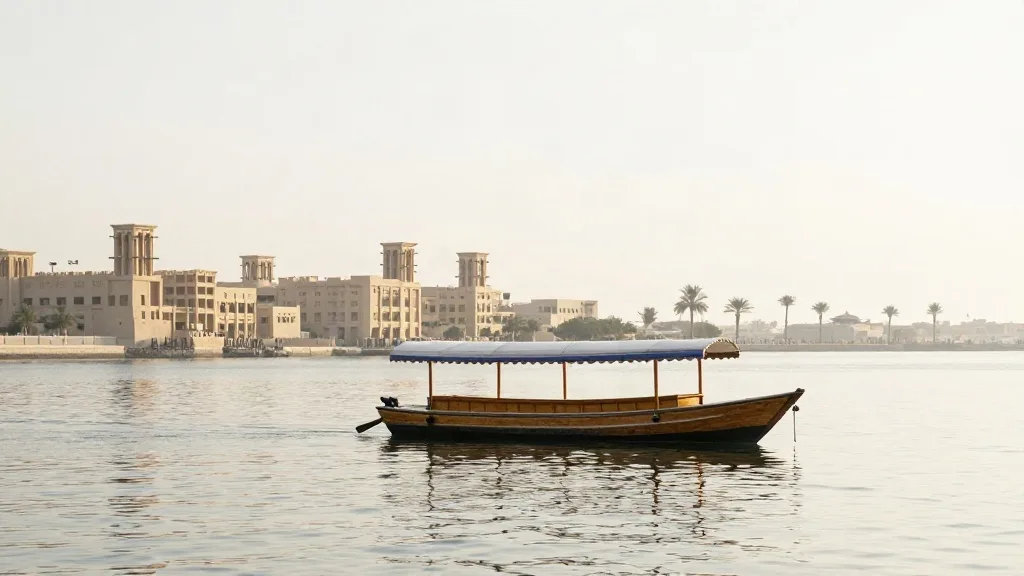
Walk from Al Fahidi to the abra station at Bur Dubai and board with everyone else — commuters, traders, shoppers. It is a working crossing, not an excursion, which is exactly why it is worth doing.
Ignore anyone at the dock offering a "private creek tour". The public abra is the real experience, it runs continuously, and it costs a fraction of what you are being quoted.
From the water you get the shot most visitors never take: the old city from the creek, the dhows loading cargo, and the modern towers in the far distance behind them.
The souks of Deira
Working markets, not themed attractions. Expect to be invited into shops — a polite no is completely normal.
Spice Souk
Saffron, dried limes, frankincense, chilli and rose petals sold by weight from open sacks. The lanes are narrow and the smell is the point. Prices are negotiable but modest; buy a small amount of something you will actually use.
Gold Souk
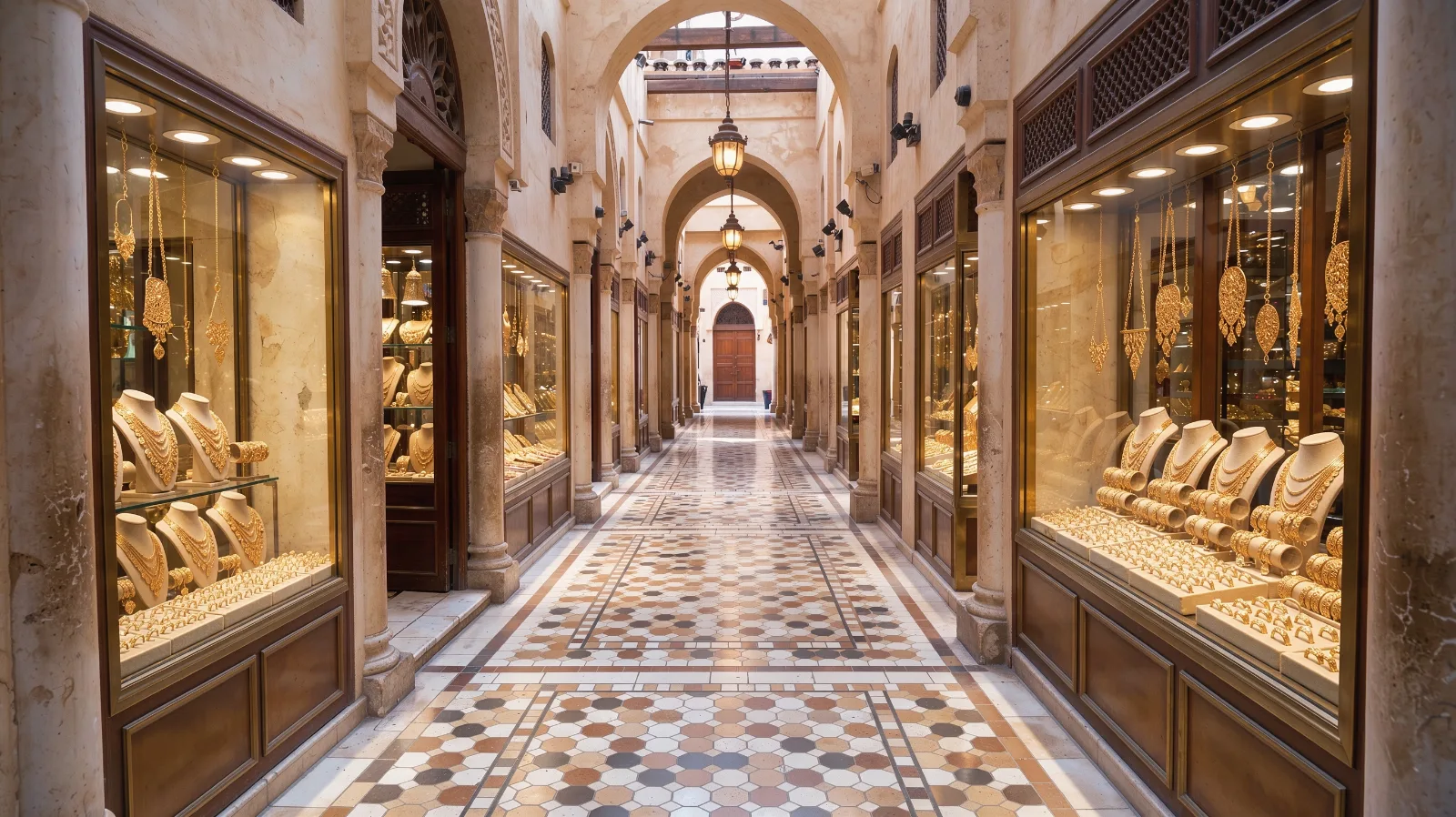
A genuine jewellery trading district, with shop windows full of gold by weight. Even if you have no intention of buying, walk it — the density and the light are extraordinary. If you do buy, understand that pricing is largely by weight plus a making charge, and know the current gold price before you start.
The textile souk
Between the two, quieter and often more interesting for fabric, pashminas and tailoring. Less pressure, better conversations.
Haggling, honestly
Bargaining is expected in the souks and in souvenir shops; it is not normal in malls or fixed-price stores. Start low, stay friendly, and be willing to walk away — that is the whole negotiation. Never let anyone guide you to a "better shop" for a commission, and never hand over a credit card in a shop you did not choose to enter.
Eat where the traders eat
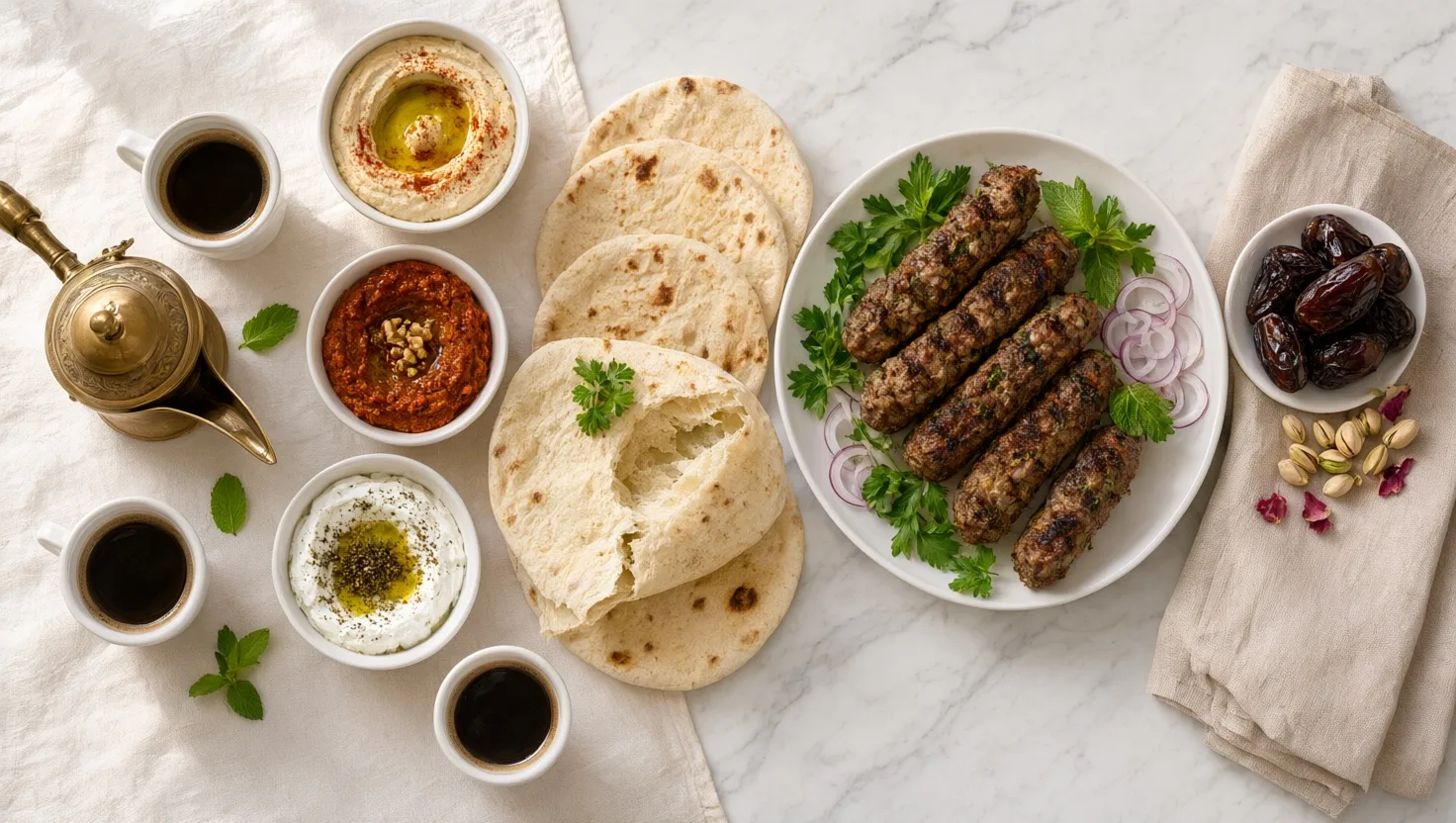
The food in Old Dubai is the best value in the city. Look for the small cafeterias and restaurants serving Indian, Pakistani, Iranian and Emirati food — often with plastic chairs and no English menu beyond a laminated card.
Order machboos (spiced rice with meat), a plate of mezze, or simply follow what the next table is having. Portions are generous and prices are a fraction of Downtown.
Wash it down with karak chai from a roadside stall. It is the city's actual national drink, and it costs less than a bottle of water in a mall.
A four-hour Old Dubai morning
| Time | What | Notes |
|---|---|---|
| 07:30 | Al Fahidi Historical Neighbourhood | Cool, quiet, best light |
| 09:00 | Textile souk & coffee | Between Al Fahidi and the abra station |
| 09:30 | Abra crossing to Deira | Token fare, five minutes |
| 09:45 | Spice Souk, then Gold Souk | An hour, unhurried |
| 11:00 | Karak chai & early lunch | Cafeteria, not a hotel |
| 12:00 | Metro from Al Ras / Union | Cool down, head Downtown |
Old Dubai questions
Is Old Dubai safe to walk around?
Yes. Street crime is very low and the area is busy with traders and shoppers through the day. The main things to manage are heat, crowds in the narrow lanes, and persistent shop invitations — all easily handled with a polite "no thank you".
How much does the abra cost?
A token amount per crossing, paid on boarding — genuinely one of the cheapest transport experiences anywhere. Fares are occasionally revised, so carry a little cash in small notes.
Can I visit the mosques in Old Dubai?
Some are open to visitors outside prayer times, and a few run guided visits. Always check at the entrance, dress modestly with hair, arms and legs covered, and remove shoes. Do not enter during prayer.
Is the Gold Souk worth visiting if I am not buying?
Yes. It is a working trading district and visually remarkable. Walk it as you would a market, admire the windows, and expect invitations into shops — which you can decline without any awkwardness.
What is the best time to visit Old Dubai?
Early morning, ideally arriving by 7:30–8:00. The lanes are shaded and quiet, the light is good and the heat has not arrived. Late afternoon works too but is busier and the souks are at their most commercial.
See the other side of the city
Marina, JBR and the beach walk — the most walkable part of modern Dubai.