Free · evening
The Dubai Fountain
Choreographed water, light and music at the base of the Burj Khalifa, several times each evening. Stand on the Souk Al Bahar side of the lake for the best angle and the thinnest crowd.
Dubai can empty a wallet faster than almost any city on earth, and it can also be done for less than a week in southern Europe. The difference is almost entirely in where you eat, how you move and which tickets you buy.
Last updated November 2026
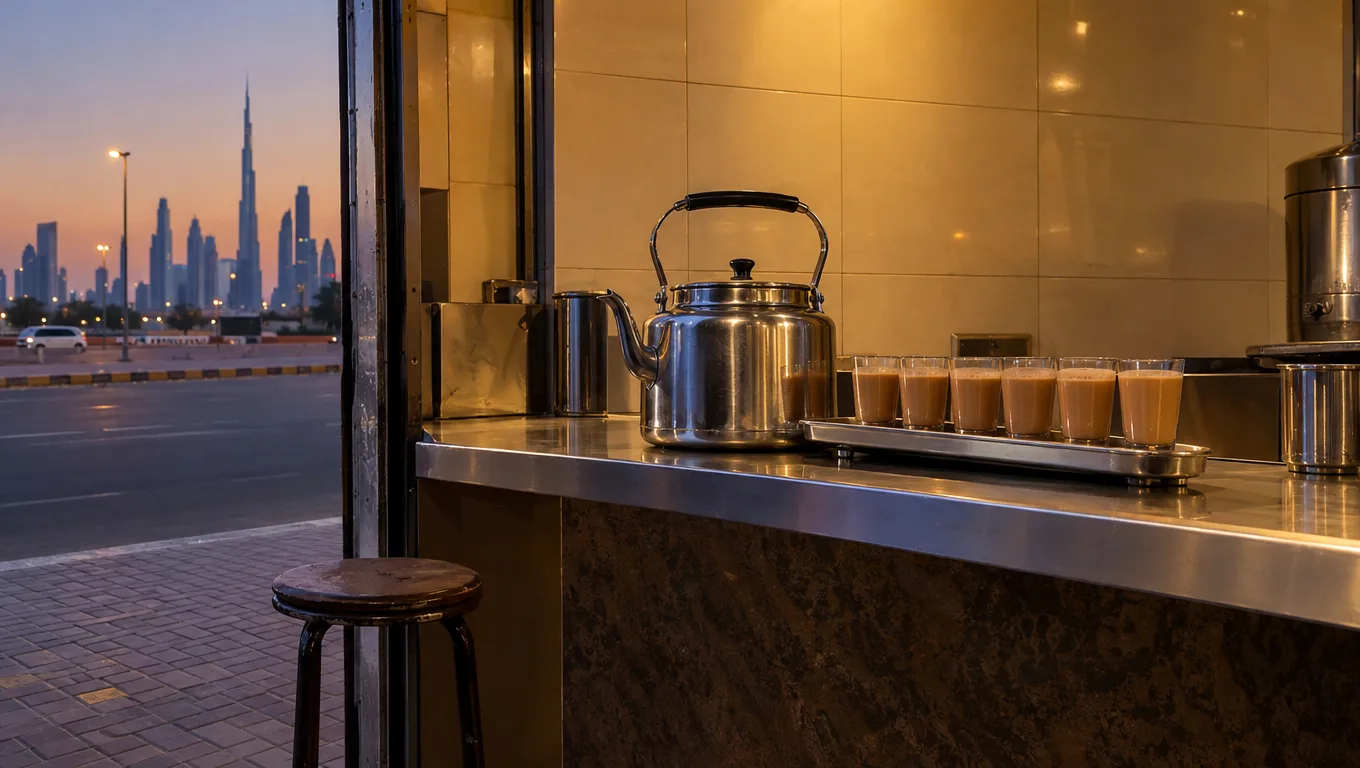
The trick to a cheap Dubai trip is realising that the expensive version and the good version are often the same thing. The fountain show is free and better than most paid attractions. The abra costs less than a coffee. The best meal you will eat is probably a plate of machboos in a cafeteria in Deira, not a tasting menu in a hotel.
This guide is about the numbers: what a day actually costs, where the money leaks, and the specific places where spending nothing gets you the most.
Per person, per day, excluding flights and accommodation. These are planning bands, not promises — Dubai's prices move.
| Shoestring | Comfortable | Comfortable + | |
|---|---|---|---|
| Food | AED 40–70 (cafeterias, karak, supermarket) | AED 120–200 (casual restaurants, one coffee) | AED 300+ (table service, licensed venues) |
| Transport | AED 10–25 (metro, bus, abra) | AED 60–120 (metro plus short taxi hops) | AED 150+ (taxis everywhere) |
| Attractions | AED 0–60 (mostly free days) | AED 150–250 (one paid attraction daily) | AED 400+ (premium tickets, tours) |
| Daily total | AED 50–155 | AED 330–570 | AED 850+ |
That shoestring number is not a stunt. A metro day pass, two cafeteria meals, a karak chai and a free beach genuinely costs that. What it does not include is any paid attraction — an observation deck ticket alone would double it.
Accommodation is the other half of the equation and it swings enormously by season. The same room can cost three times as much in January as in July. Our seasonality guide explains the pattern; the short version is that summer is cheap for a reason.
Food is where budgets are won and lost. The gap between a mall restaurant and a neighbourhood cafeteria is not a small percentage — it is a factor of five, for better food.
Never buy water at a hotel, an attraction or an airport. A supermarket charges a fraction of the price for the same bottle. Tap water in Dubai is desalinated and safe to drink — refilling a bottle is completely normal.
For the specific dishes worth seeking out, see our Old Dubai guide — the food section there is the cheapest good eating in the city.
Dubai's metro is clean, fast, air-conditioned and cheap. Using it properly is the single easiest way to halve your transport spend.
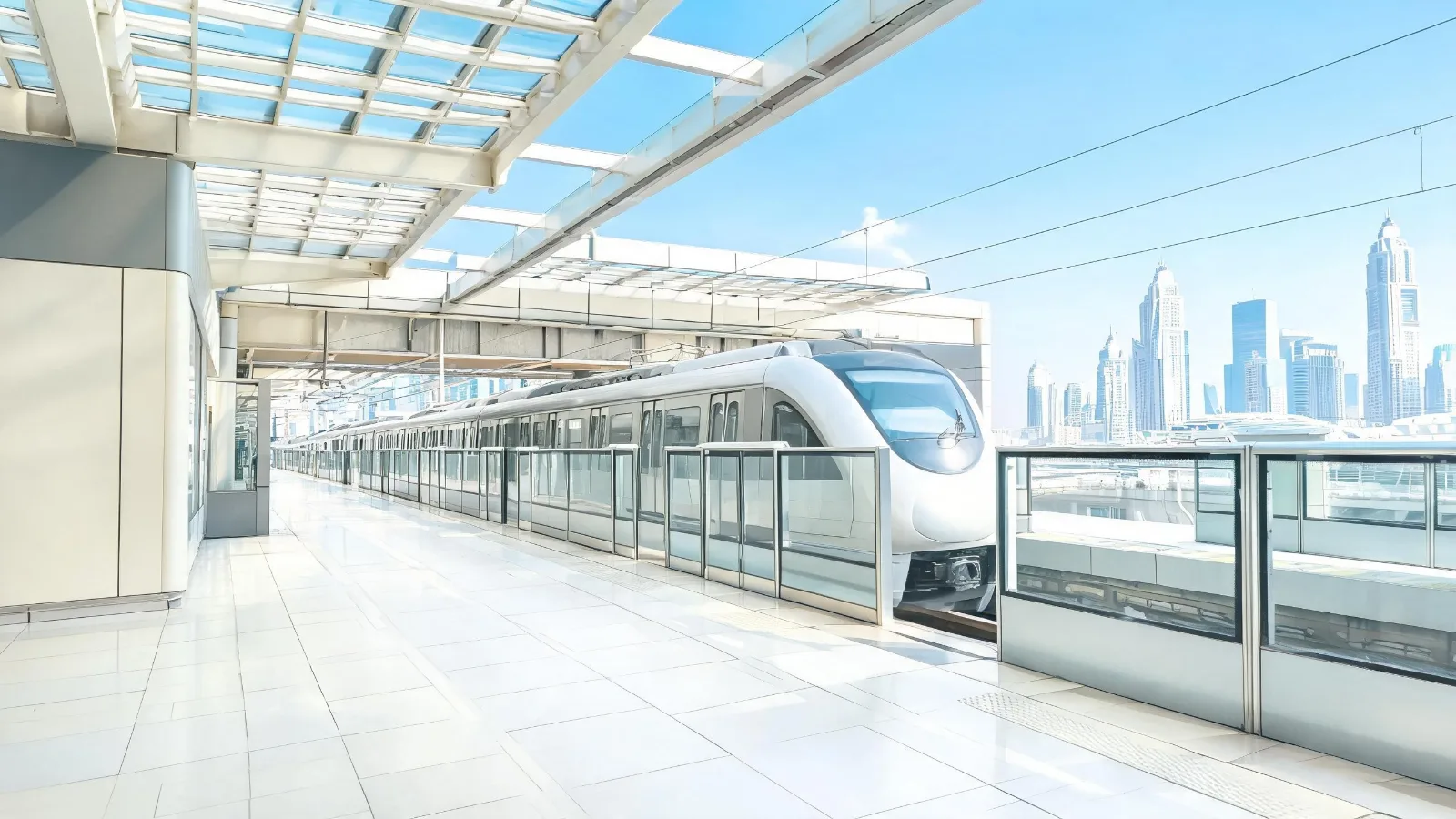
One stored-value card covers the metro, the tram, public buses and the water buses. Buy it at any station machine, top it up as you go, and ignore anyone offering to sell you a "tourist transport pass" elsewhere. Fares are charged by zone and distance and are genuinely low.
The Red Line covers the airport, Downtown, the Marina and most of the coast. It does not reach the Palm, the souks in Deira, or Al Fahidi. For those, use a short taxi hop or a bus — or the abra, which is the cheapest crossing in the city.
Public buses are cheap but slow and infrequent compared to the metro; they are useful for the last kilometre. The abra across the Creek costs a token amount and is the best-value transport experience in the emirate.
In summer, at night, and for trips the metro cannot make without two changes. Taxis are metered and reasonably priced — the cost problem is not the fare, it is taking one for every journey out of habit.
Full fares, routes and card options are in our getting around guide.
Not filler. These are the experiences people remember from a Dubai trip, and every one of them costs nothing.
Free · evening
Choreographed water, light and music at the base of the Burj Khalifa, several times each evening. Stand on the Souk Al Bahar side of the lake for the best angle and the thinnest crowd.
Free · morning
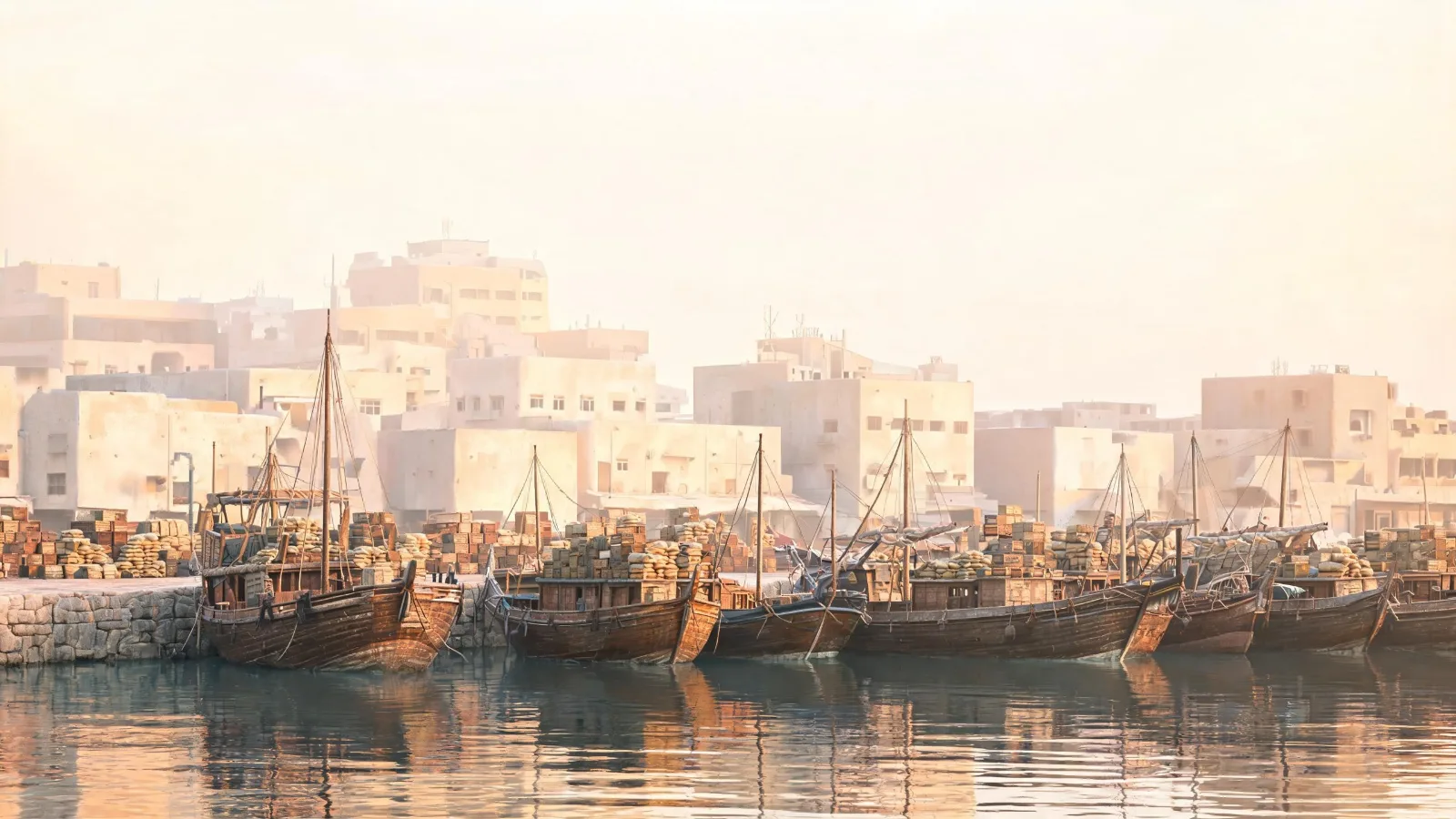
Wind-tower houses, shaded lanes and small galleries in Bur Dubai. Go before 10:00 for soft light and empty streets. Covered in detail in our Old Dubai guide.
Free · all day
Lifeguards, showers, calm water. Kite Beach for space and food trucks, JBR for the promenade, Jumeirah for a quieter morning swim.
Free · any time
The four-storey waterfall, the giant aquarium viewing panel and the sheer scale of the place. Air-conditioning included, which matters in August.
Almost free
A five-minute wooden boat crossing between Bur Dubai and Deira for pocket change. The best value five minutes in the city, and the only way to see the old skyline from the water.
Free · evening
A 3 km waterfront walk between the towers and the beach, best after sunset. Free, flat, and the most walkable part of modern Dubai.
A note on the museum and heritage-house tickets in Al Fahidi: they are inexpensive and worth it if you want context, but the neighbourhood itself is free and that is where most of the atmosphere lives.
Season is the largest single variable in a Dubai budget — larger than your food or transport choices combined.
June, July, August and September are dramatically cheaper: hotels discount hard, flights are less full, and attractions run promotions. The trade-off is 40°C-plus heat and humidity that makes outdoor time genuinely difficult. If you are travelling on a tight budget and can handle the heat, summer is the deal.
December, January and February are peak season — the best weather, the highest prices, and the busiest attractions. Shoulder months (October, November, March, April) are the compromise most people should aim for.
One further saving: avoid the weeks around New Year and major school holidays, when prices spike far above the seasonal trend. Our month-by-month guide has the detail on crowds and closures, and our family guide covers the school-holiday problem specifically.
Yes. A shoestring day using the metro, cafeterias and free attractions can run at roughly AED 50–155 per person. The expensive part of a Dubai trip is accommodation in high season and paid attractions — not everyday food and transport, which are reasonable by global city standards.
Around AED 330–570 per person for a comfortable mid-range day with one paid attraction, restaurant meals and some taxi use. A lean trip is AED 50–155. Premium travel with table-service dining and multiple tickets runs from AED 850 upward. None of these include accommodation.
The metro, which connects the terminals to the city centre and the Marina for a very low fare. It runs from early morning to late evening. Outside those hours a metered taxi is the practical option — still far cheaper than a pre-booked private transfer.
Several exist, and they are worth it only if you genuinely plan to visit four or more included attractions in the validity window. Most visitors are better off buying two or three tickets for the things they actually want rather than a bundle that encourages queueing for things they do not.
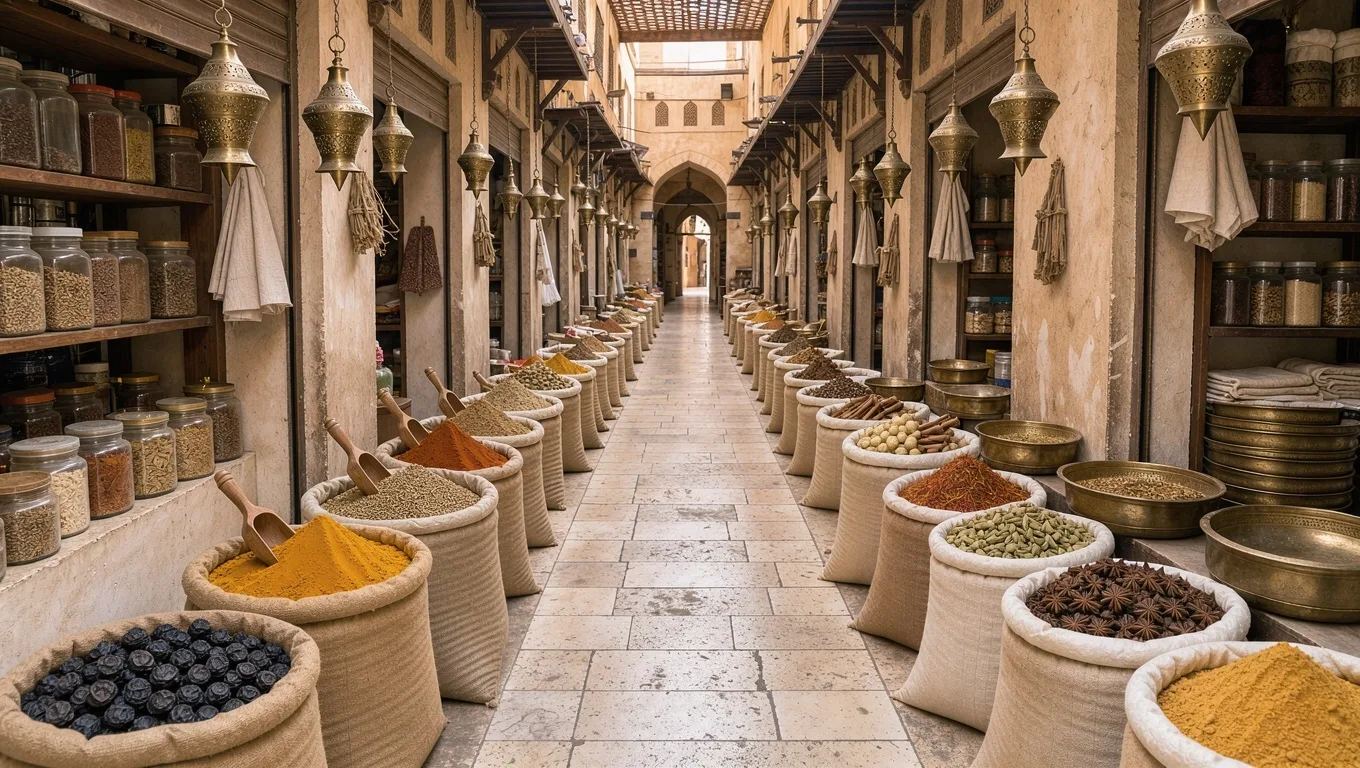
Cafeterias and small restaurants in Deira, Bur Dubai, Karama, Al Rigga and Satwa serve excellent Indian, Pakistani, Iranian and Emirati food at a fraction of mall prices. Karak chai stalls are the cheapest drink in the city. Supermarkets cover breakfast and picnic lunches.
Substantially, yes — hotels and flights are discounted heavily between June and September. The trade-off is extreme heat that limits outdoor activity to early morning and evening. If you can tolerate it, summer is by far the cheapest time to visit.
Cards are accepted almost everywhere, including taxis and small shops. Keep a small amount of cash in low denominations for karak stalls, the abra, tips and the occasional machine that will not take a card.
Marina, JBR and the beach walk — where a cheap day out is also the best day out.