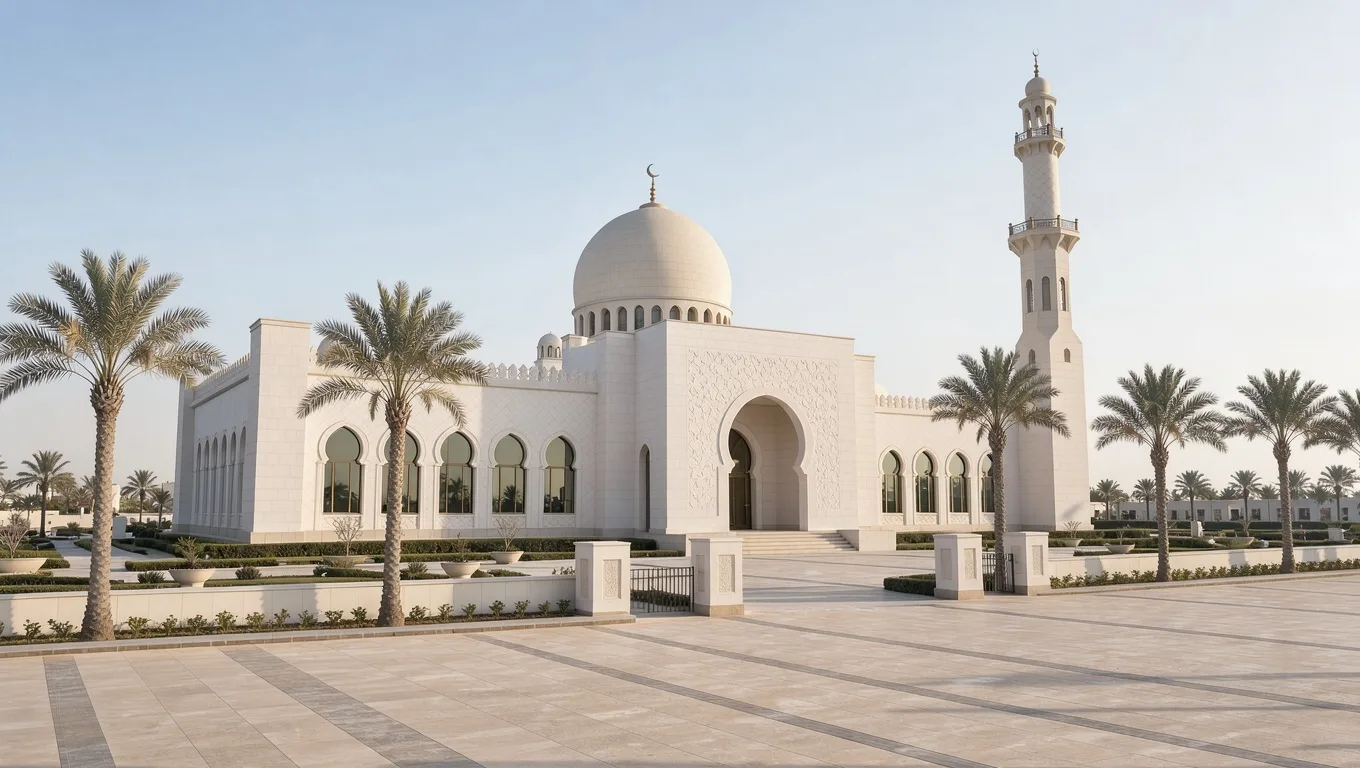
White stone mosque with a slender minaret and dome in bright morning light in Dubai
CultureLocal law

Dress code & etiquette in Dubai

Dubai is cosmopolitan, welcoming and relaxed about a great deal — but it is still an Islamic emirate with laws that are enforced. These are the norms that matter, explained without either scaremongering or pretending the rules do not exist.

Last updated November 2026 · Local rules can change — check official UAE guidance before travel

The honest summary: millions of visitors dress and behave sensibly here every year and have an entirely uneventful, wonderful time. The friction that does occur almost always comes from a handful of predictable situations — beachwear worn inside a mall, visible intoxication, photographing people without asking, or public affection.

None of these require you to change who you are. They require a little awareness, and respecting the fact that you are a guest.

01 — Dress

What to wear, by setting

The core principle is simple: cover shoulders and knees anywhere that is not a beach or a pool. Beyond that, dress for the heat.

Malls, souks and public buildings

Shoulders and knees covered. This is stated at mall entrances and is genuinely enforced by staff. A light linen shirt and loose trousers or a long skirt is more comfortable in the heat than fitted clothing anyway.

Beaches and hotel pools

Swimwear is fine on the sand and at the pool. It is not fine in the mall, the street, the metro or a restaurant — carry a cover-up and use it before you walk back through the lobby.

Mosques

Women should cover hair, arms and legs; men should cover shoulders and knees. Many mosques, including the large ones open to visitors, lend an abaya or scarf. Shoes come off at the entrance. Avoid visiting during prayer times unless the site is set up for it.

Restaurants and bars

Smarter venues in hotels expect smart-casual in the evening. Beach clubs are their own ecosystem and follow their own dress codes — check before you go.
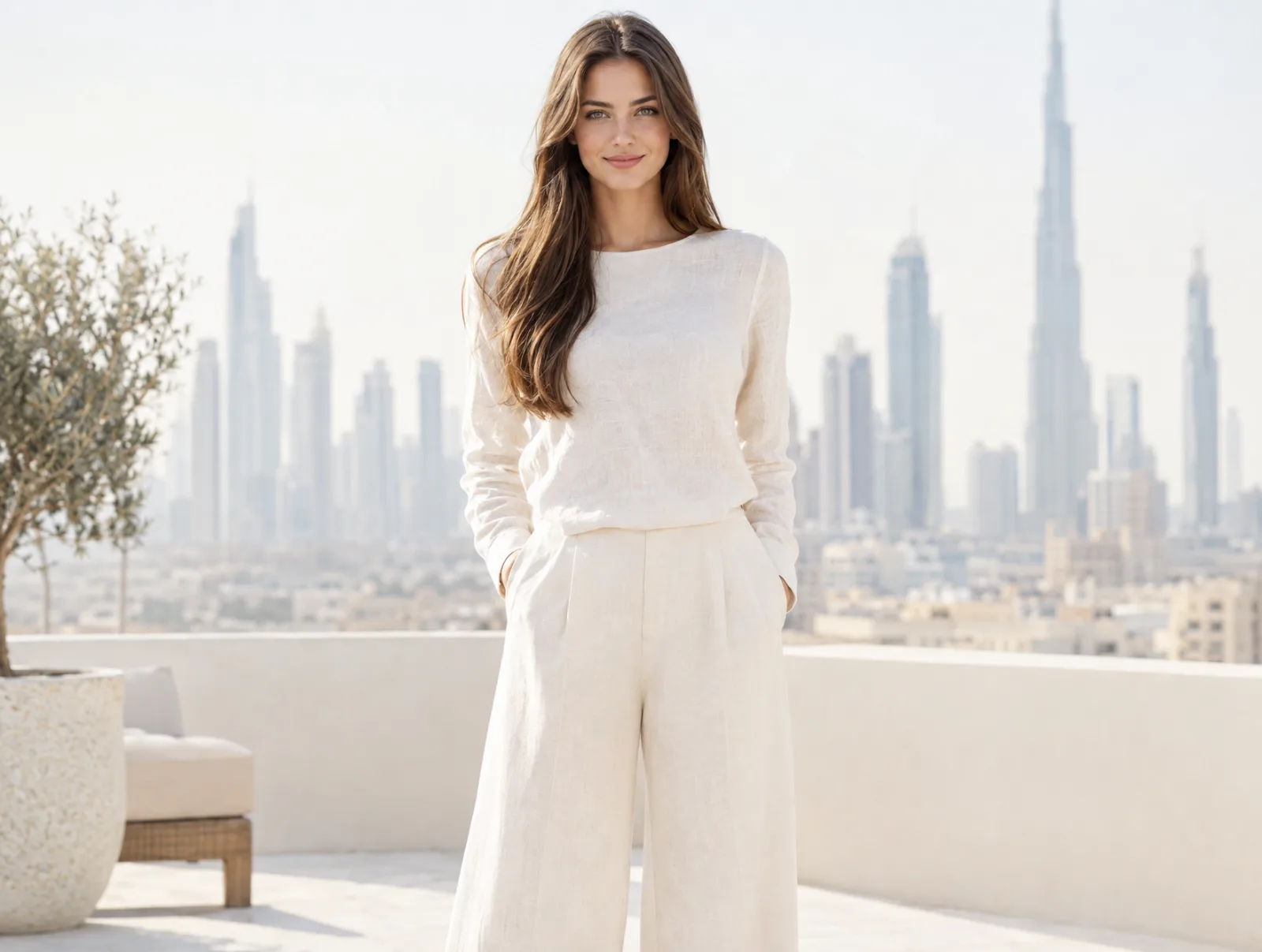
Traveller wearing modest neutral linen clothing on a bright rooftop terrace in Dubai

A packing shortcut

Two pairs of loose linen trousers, three light long-sleeve or short-sleeve tops that cover the shoulder, one light scarf that works as a head covering, one pair of comfortable closed shoes and one pair of sandals. That combination covers every situation in this guide.

02 — Alcohol & behaviour

The rules people get wrong

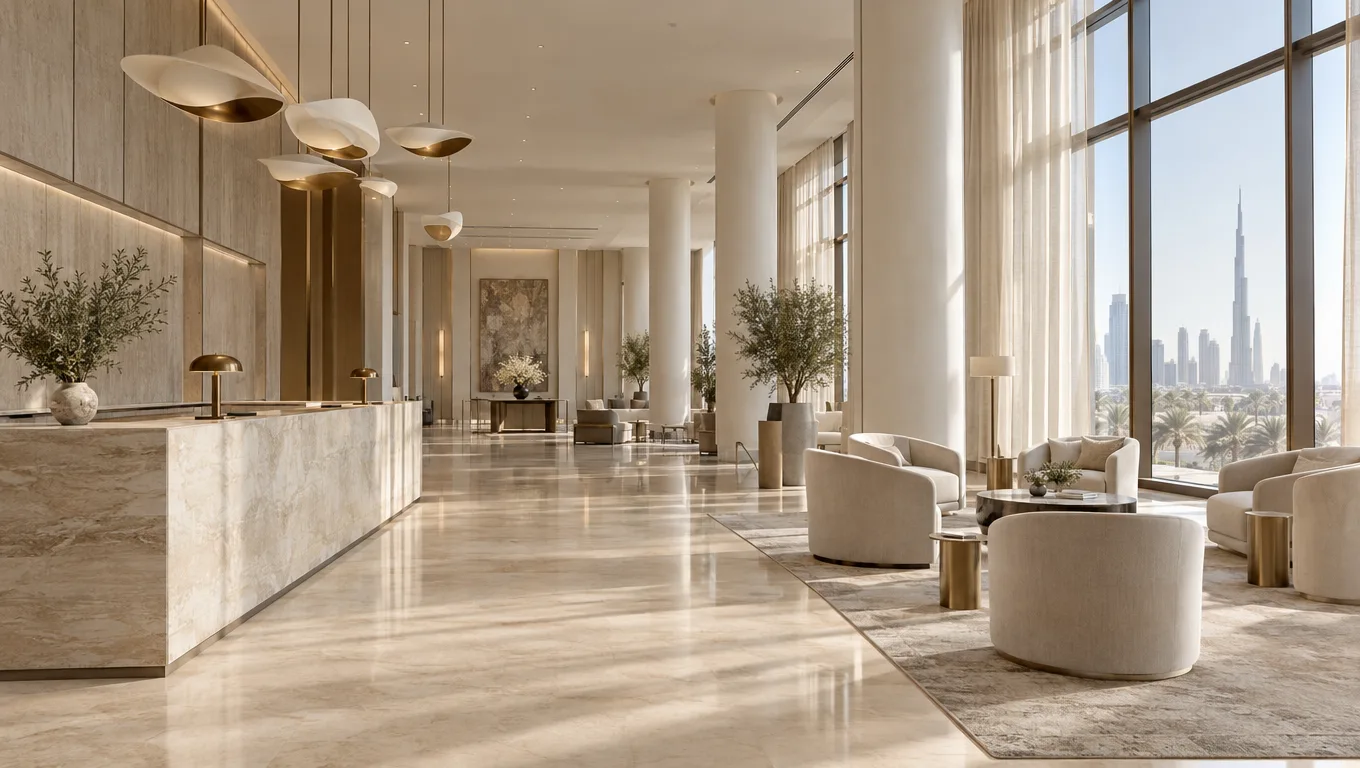
Elegant neutral Dubai hotel lobby with cream marble and pale armchairs

Where alcohol is permitted

Alcohol is served in licensed venues — hotel bars, restaurants, beach clubs and licensed sports venues. That is where you drink.

Not in public: not on the street, on the beach, in a park, in the metro or in a car. Public intoxication is an offence and is treated seriously, regardless of your nationality.

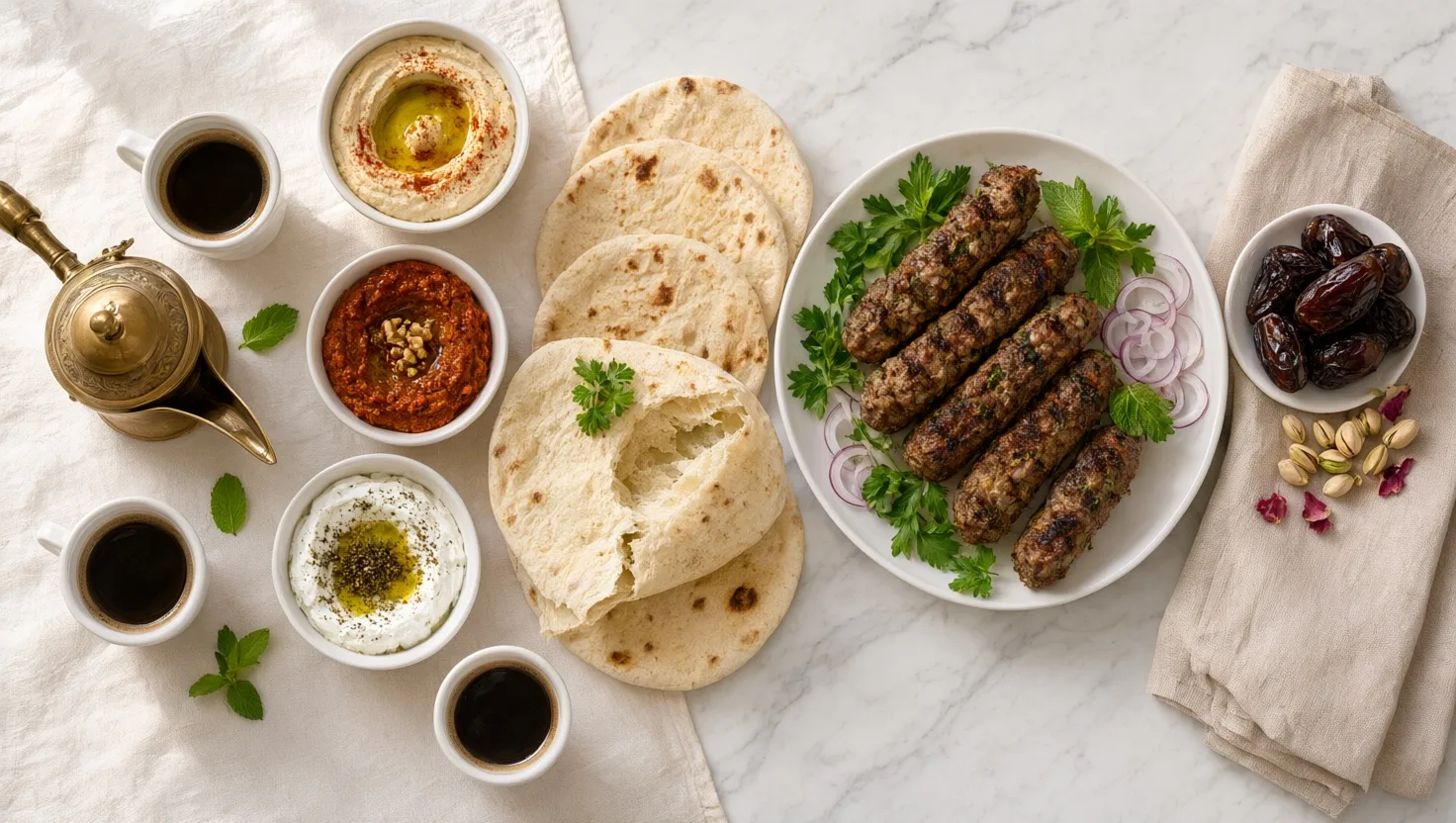
Middle Eastern mezze spread on a white marble table in Dubai

Public behaviour

Public displays of affection beyond hand-holding can attract attention and, in some circumstances, official complaint. Keep intimate behaviour private.

Loud, aggressive or drunken behaviour draws police attention quickly. So does profanity or rude gestures — including in messages to local businesses.

Other rules that matter

  • Drugs. Zero tolerance, including trace amounts and some medications that are legal elsewhere. Penalties are severe. Check every prescription before you travel.
  • Photography. Do not photograph people, especially women, without permission. Do not photograph government buildings, military sites, airports or police.
  • Ramadan. During daylight hours, avoid eating, drinking or smoking in public. Many venues adapt their service — be discreet and follow their lead.
  • Drones. Heavily restricted. Do not fly one without explicit permission.
  • Social media. Posting content that mocks the country, its rulers, religion or individuals can have legal consequences. This is not theoretical.
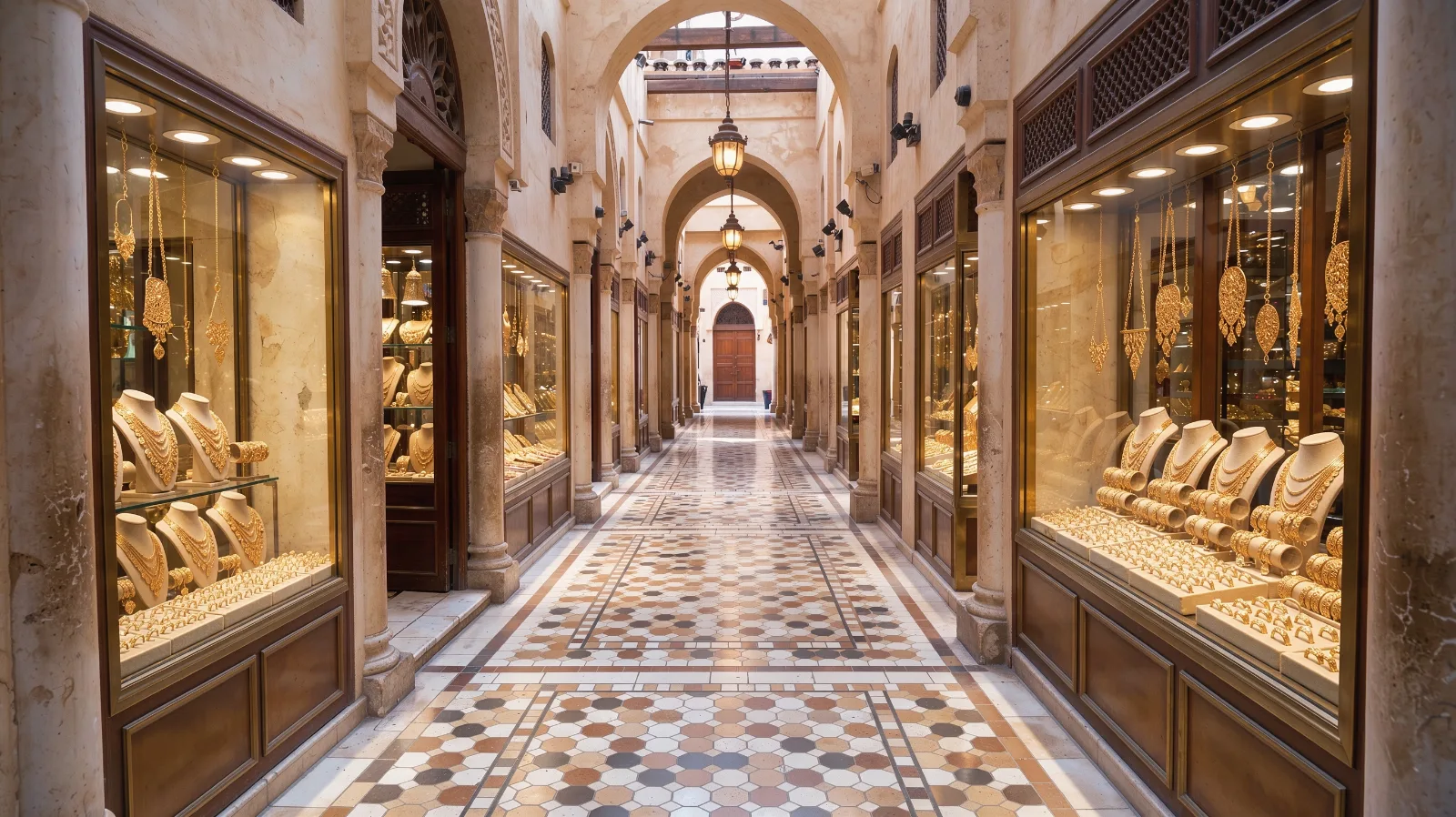
Covered souk arcade in Dubai with cream stone arches and gold jewellery shop windows
03 — In practice

Travelling with respect, not anxiety

The tone most visitors should aim for is ordinary courtesy. Ask before photographing people. Lower your voice in the souks. Cover up walking through a mall. Accept an offered coffee in a shop, or decline politely — both are normal.

You will be treated well. Dubai's economy runs on hospitality, and the overwhelming majority of interactions are warm and helpful. The rules exist to protect a specific cultural and religious context, and respecting them is what makes a visit comfortable for everyone.

If someone offers you something

In the souks, an invitation into a shop is salesmanship, not a trap. A simple "no thank you" and continuing to walk is completely acceptable and universally understood. You never need to be rude, and you never need to buy.

Planning

Etiquette questions

Can I wear shorts in Dubai?

Yes at the beach, at a hotel pool, and in casual outdoor settings where you are clearly heading to or from the water. Not inside malls, souks, government buildings or mosques, where knees should be covered.

Can I drink alcohol in Dubai?

Yes, in licensed venues such as hotel bars, restaurants and beach clubs. It is not permitted in public spaces, on the street, on the beach or in a car, and public intoxication is an offence. Drink in licensed venues only.

Is it OK to hold hands in public?

Hand-holding is generally unremarkable. Behaviour beyond that can attract attention or complaints. Keep more intimate displays private, and be mindful of the setting.

Do I need to cover my hair as a woman in Dubai?

Not in everyday life — hair does not need covering in malls, streets or restaurants. Hair, arms and legs should be covered when visiting a mosque, and many mosques lend a scarf or abaya for the purpose.

Can I take photos of local people in the souks?

Ask first, every time. Photographing people without consent — and particularly photographing women — is a genuine cultural and legal issue. Many traders are happy to be photographed if asked; almost none appreciate it happening without warning.

More practical planning

Entry rules, transport and a realistic itinerary to put it all in order.

Visa & entry rules